How to Increase Well Water Pressure: What to Check First
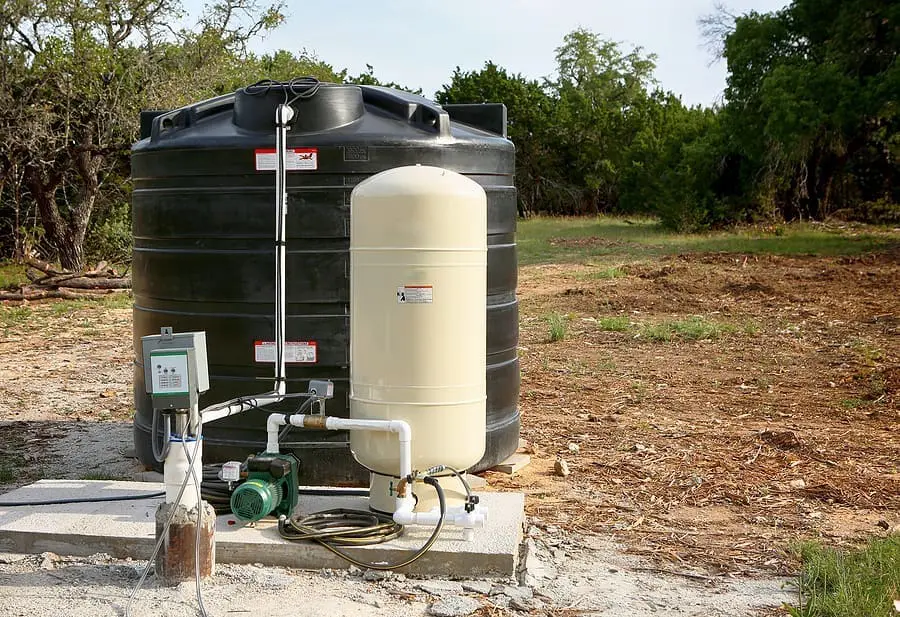
Low water pressure can make everyday tasks frustrating. A shower may lose strength, the kitchen faucet may run slowly, or the washing machine may take longer to fill. When your home uses a private water well, it is natural to wonder whether the well pump is failing.
However, the first thing to check is whether low water pressure affects one fixture or the entire house. If only one faucet has weak flow, the problem may be a clogged aerator or a local plumbing restriction. If pressure is low throughout the house, the cause may involve a water filter, pressure tank, pump controls, underground water line, or the well itself.
Homeowners can make several safe observations before calling a professional. The goal is to identify where the problem might be occurring without making adjustments that could damage the water system.
First, Is Water Pressure Low at One Fixture or Throughout the House?
The location of the problem provides one of the most useful clues.
Start by checking water flow at two or three fixtures in different parts of the house. Compare the kitchen faucet, bathroom sink, and shower.
If the kitchen faucet has weak flow but the bathroom fixtures work normally, the well pump is less likely to be responsible. The restriction may be limited to that faucet or its supply line.
When every fixture has low pressure, the problem may involve equipment that supplies water to the entire home.
Check Whether the Problem Affects Hot Water, Cold Water, or Both
Turn on the hot and cold water separately at an affected fixture.
If cold water flows normally but hot water is weak, the problem may involve the water heater, a hot-water valve, or the hot-water piping.
A problem affecting both hot and cold water throughout the house points toward a shared part of the water system, although it does not identify the exact cause.
These comparisons help homeowners avoid assuming that every water pressure problem begins inside the well.
Did the Water Pressure Drop Suddenly or Gradually?
The timing of the problem can help narrow the possibilities.
A sudden loss of pressure may follow an equipment failure, a significant leak, a blocked filter, or an interruption in pump operation.
Gradually declining pressure may be associated with increasing sediment buildup, aging equipment, or changing water system performance.
Pressure that drops only during heavy household water use presents a different situation.
For example, a shower may work normally until someone starts the washing machine or uses an outdoor faucet. This can indicate that the system is having difficulty supplying enough water for simultaneous demand.
It does not necessarily mean that the pressure switch needs adjustment.
If the problem occurs repeatedly, additional information about why well water pressure keeps dropping may help explain the possible causes.
What Can a Homeowner Safely Check Before Calling for Service?
A few simple checks can identify common restrictions without opening electrical equipment or working on pressurized well components.
1. Inspect Faucet Aerators and Showerheads
Faucet aerators and showerheads can collect mineral deposits and sediment.
An aerator is the small screen or fitting at the end of many faucets. When it becomes restricted, water may flow slowly even though the rest of the home’s plumbing is working properly.
If only one faucet is affected, inspect its aerator according to the fixture manufacturer’s instructions.
For a removable aerator, cleaning accumulated debris may restore normal flow.
A showerhead can develop similar restrictions, particularly where mineral deposits accumulate.
If cleaning the affected fixture does not improve flow, the restriction may be farther inside the plumbing.
2. Look for Partially Closed Fixture Valves
Some sinks and toilets have accessible shutoff valves that control water entering the fixture.
If a valve was recently adjusted during plumbing work, it may not be fully open.
Check whether the valve appears to be in its normal operating position. Do not force a stuck, damaged, or leaking valve.
If several fixtures are affected, individual fixture valves are unlikely to explain the entire problem.
3. Check the Sediment Filter
Some private well systems have a sediment filter installed where water enters the house.
Its purpose is to capture particles before they reach household plumbing or other equipment.
As the filter collects sediment, it may restrict water flow.
If your system has an accessible filter indicator, check whether it shows a maintenance warning. Review the date of the last filter service and follow the manufacturer’s maintenance instructions.
Do not open a pressurized filter housing, bypass treatment equipment, or remove components unless you are trained and the manufacturer’s procedure can be followed safely.
A clogged filter may affect several fixtures at once, making it appear that the well pump is losing pressure.
4. Look for Visible Water Leaks
Water escaping from a damaged pipe or fitting can reduce the amount available to household fixtures.
Check accessible areas for obvious leaks, including visible plumbing connections, utility rooms, and outdoor piping.
Unexplained wet ground near an underground water line may also deserve attention, although moisture alone does not prove a pipe is leaking.
In Northern New Mexico, freezing temperatures can damage exposed or inadequately protected water lines.
If you notice a significant leak, arrange professional service rather than attempting repairs to the pressurized well system.
5. Consider Recent Water Usage
Think about what was happening when the pressure dropped.
Was someone filling a large tank, watering landscaping, or using several fixtures at once?
High demand can expose limitations in pump capacity, piping, or available well production.
A temporary decline during heavy use does not automatically mean the pump is defective. However, repeated or worsening pressure loss deserves professional evaluation.
Why Water Pressure and Water Flow Are Not the Same Thing
Water pressure and water flow are related, but they measure different things.
Water pressure is the force pushing water through the plumbing. Water flow is the amount of water delivered over time.
A system may show adequate pressure when no faucets are open but still struggle to deliver enough water when several fixtures operate.
For example, a pressure gauge may appear normal while the household is not using water. Once a shower and washing machine begin running, pressure may fall because the system cannot maintain the required flow.
The cause could involve a restricted pipe, clogged filter, pump performance, or available water production.
This distinction matters because increasing a pressure setting will not necessarily correct a flow restriction.
A professional can measure operating pressure and water delivery under different conditions to determine what the system is actually capable of supplying.
What Do Different Low-Pressure Symptoms Suggest?
The following observations can help homeowners decide what to check first.
| What you notice | Possible area to investigate | Safe first step |
| One faucet has weak flow | Aerator, fixture valve, or local piping | Compare other fixtures and inspect the affected faucet |
| Hot water is weak, but cold water is normal | Water heater or hot-water plumbing | Compare hot and cold flow at another fixture |
| Every fixture has low pressure | Filter, pressure system, pump, water line, or well | Check accessible filter indicators and look for visible leaks |
| Pressure drops when several fixtures run | Flow restriction, pump capacity, or well production | Note which fixtures are operating when pressure falls |
| Pressure repeatedly rises and falls | Pressure controls, pressure tank, or pump operation | Record the pattern and arrange professional evaluation |
| Water sputters or stops unexpectedly | Air entering the system, low water availability, or equipment trouble | Stop repeated testing and contact a well professional |
These patterns are clues, not confirmed diagnoses. Several different problems can produce similar symptoms.
When Should You Stop Troubleshooting and Call a Well Professional?
Some warning signs indicate that the problem may extend beyond ordinary household plumbing.
Arrange professional service when:
- Water pressure is low throughout the house and does not recover.
- The pump appears to run continuously or starts and stops unusually often.
- Water sputters repeatedly or stops flowing altogether.
- Pressure drops rapidly during normal household use.
- You notice damaged electrical equipment, burning smells, or other signs of an electrical hazard.
- You suspect the well is producing less water than the household needs.
If there are signs of electrical damage, keep clear of the affected equipment and contact a qualified professional. Do not open pump control boxes or attempt electrical repairs.
A pump that repeatedly runs without delivering adequate water may be at risk of damage. Avoid continuing high-demand water use while the problem is being evaluated.
For a complete loss of water pressure, see What Should I Do If I Do Not Have Water Pressure?.
What Will a Water Well Technician Check?
When the problem affects the entire house, a professional evaluation can determine whether the cause involves the pressure system, pump, plumbing, or groundwater supply.
The inspection may include checking the pressure tank, pressure switch, pump controls, and electrical performance.
A technician may also measure how the system responds while water is flowing.
If the pump is not delivering the expected amount of water, further testing may be needed to determine whether the problem involves pump wear, restrictions, leaks, or the well’s available water production.
A pressure tank with an internal problem can contribute to frequent pump cycling. A faulty pressure switch or control component may also interfere with normal operation.
These components should be evaluated as part of the complete system rather than replaced based only on a homeowner’s description of weak pressure.
For more information about pump-related failures, read Common Reasons Your Well Pump May Stop Working.
What Should You Tell the Contractor Before Scheduling Service?
Providing a clear description of the problem can help a technician prepare for the visit.
Before calling, note the following details:
- Which faucets or fixtures have low pressure.
- Whether the problem affects hot water, cold water, or both.
- When the pressure problem first appeared.
- Whether pressure drops only during heavy water use.
- Any unusual pump cycling, sputtering, or complete water interruptions.
- The date of the most recent filter maintenance, if known.
- Any recent plumbing repairs, freezing conditions, or unusually high water use.
If the system has a pressure gauge that can be read safely without opening or touching equipment, you may also record its displayed reading and whether water was running at the time.
There is no need to adjust the pressure switch, drain the tank, or inspect electrical connections yourself.
When Does Increasing Well Water Pressure Require Equipment Upgrades?
Once the cause of low pressure is identified, a contractor can determine whether repair or equipment changes are appropriate.
Some problems require relatively straightforward maintenance or replacement of a failed component.
Others may involve system design.
For example, a household with adequate well production but inconsistent pressure might benefit from an appropriately designed constant-pressure system.
A home with limited well production may need a different approach, such as water storage and a booster pump.
A booster pump can increase delivery pressure, but it cannot create more groundwater.
Likewise, increasing pressure-switch settings does not correct a clogged filter, damaged water line, or well that cannot produce enough water.
The appropriate solution depends on measured system performance, not simply the desire for a stronger shower.
For a broader explanation of equipment options, read How Can I Increase the Water Pressure from My Well?.
Does Northern New Mexico’s Climate Affect Well Water Pressure?
Water well systems in Santa Fe and surrounding communities operate under conditions that can influence water delivery.
Rural properties may have long underground water lines between the well and house. Homes built on hillsides may also require pumps to move water through substantial elevation changes.
Winter freezing can damage exposed piping or restrict water flow. During warmer months, increased outdoor water use may place additional demand on a household system.
Groundwater production can also vary by location and over time.
These conditions do not mean that every pressure problem is caused by local geology or seasonal changes. They do make it important to evaluate the entire water system before replacing equipment.
The U.S. Environmental Protection Agency’s private well resources provide additional guidance on maintaining private groundwater supplies.
Get Help with Low Well Water Pressure in Santa Fe and Northern New Mexico
Low water pressure does not always mean that your well pump needs replacement.
Begin by determining whether the problem affects one fixture or the entire house. Check accessible faucets, filter maintenance indicators, and visible plumbing for obvious restrictions or leaks.
If the problem continues, affects the entire home, or involves unusual pump operation, professional testing can help identify the cause before repairs are made.
Boylan Water Well Service & Supply provides water well diagnostics, pump repair, pressure tank service, and complete water system troubleshooting throughout Santa Fe and Northern New Mexico.
Call (505) 438-3416 or visit Boylan Water Well Service & Supply to discuss your water pressure problem and arrange a professional system evaluation.