What Facts Do I Need to Learn About a Shared Well Agreement?
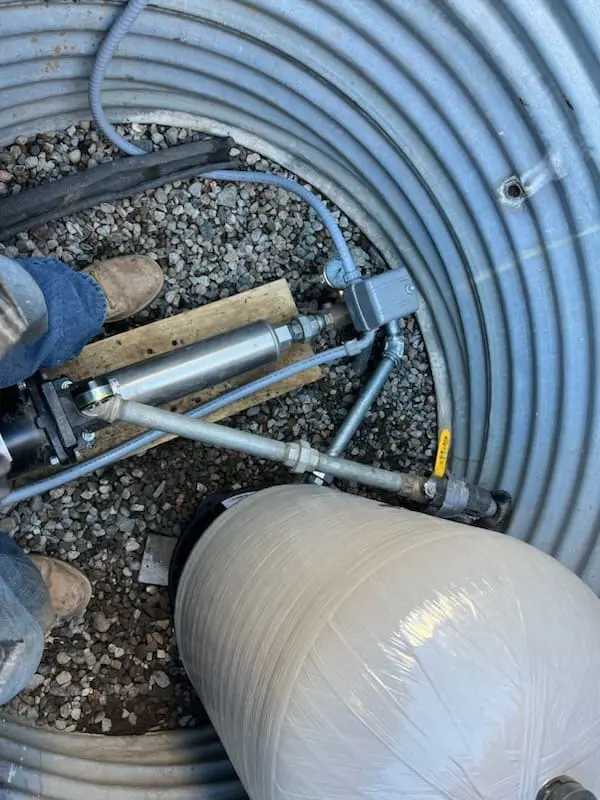
Having a common water well can be a practical and economical option for adjacent landowners but has significant legal, financial, and maintenance implications. Homeowners considering sharing a well need to know what they involve.
This article details some of the foremost questions homeowners have about shared wells, like legal obligations and upkeep.
This knowledge will allow you to smoothly guide a client through the process whether they are contemplating entering into an agreement or whether they are already in a well sharing.
Is sharing my water well with my neighbor okay to do legally?
But only if it’s legal in your local/state area. Permits, water rights contracts, or adherence to health and environmental codes may be necessary in some locations. Check with your local agencies before doing so.
Should we have a written agreement?
For sure. Therefore a shared well agreement is beneficial to avoid any future issues or confusion as to who can use the well, how it must be maintained, who will pay costs, etc. It is also a protection for both parties in the event that a disagreement arises.
What should be included in a shared well agreement?
The written shared water well agreement should address at a minimum, but is not limited to: ·
Water utilization, or the amount of water to which each party is entitled.
- Maintenance and repairs – who is responsible for upkeep and how costs will be shared.
- Electric usage: how you will divide the electricity consumption for the well pump.
- Liability and dispute resolution; what if something goes wrong.
- Termination clause: how either party can end the arrangement if needed.
- Who covers maintenance and repair costs?
It should be indicated in your contract. They are usually split evenly, but if one uses substantially more water – then costs can be borne more heavily by this party.
Can my neighbor claim ownership of my water well?
Not unless you make a legal transfer of ownership or give your neighbor water rights. Your neighbor has access to the water, according to the terms set forth in the agreement, but you continue to own the well via a shared well agreement.
What if my neighbor overuses the water or doesn’t pay their share?
Overuse and/or nonpayment provisions should be included in a shared well agreement, as well as repercussions for violating the agreement. You might have legal recourse if the contract is violated.
Are there water-quality concerns when sharing a well?
Absolutely. Water quality should be regularly tested to be within health standards. In the event of contamination, the two should work it out.
Can I stop sharing the well if I change my mind?
But only if you agree. If there is a termination provision, you would proceed as outlined to terminate. In the absence of a contractual agreement, local legislation may be applicable in regards to your ability to remove access.
Do I need to notify the government about a shared well?
Certain are required to be reported or registered with local agencies. Check with your county about that.
What happens to my shared water well agreement if I sell my property?
A legally binding agreement regarding the shared water well, if there is one, could be assigned to the new landowner. Make your buyer fully aware of the setup prior to their purchase of your property.
Contact an attorney to help with a shared water well agreement and to understand laws in your state. Your state bar association can provide you with assistance in locating an attorney.
Final Thoughts
In New Mexico it is common to share a well. However, each governing authority, county that you live in has their own sets of rules and regulations.
Keep that in mind and be cautious that you understand everything and then what responsibilities you take on when they commission installations.