Can a Residential Well Run Dry?
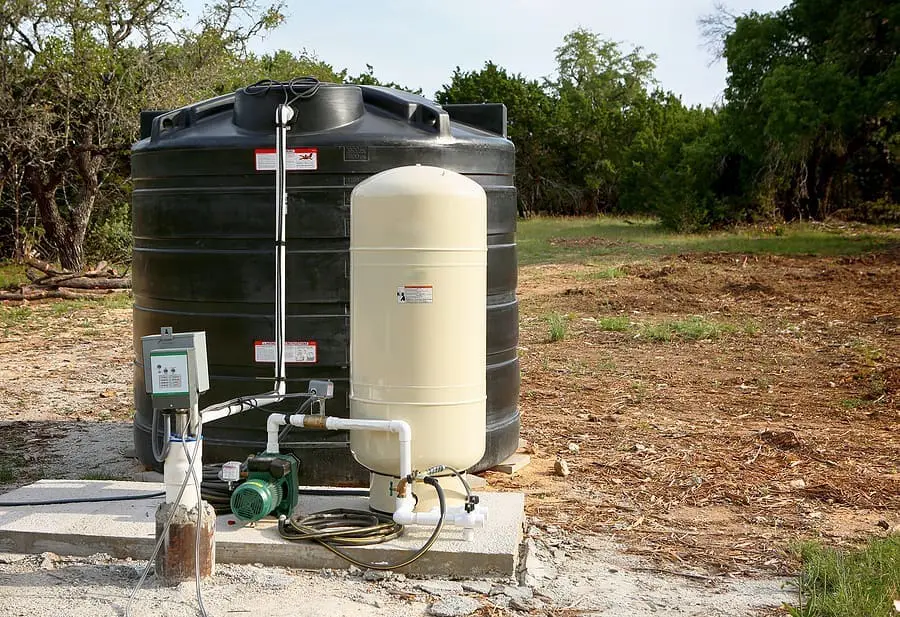 Picture going into your kitchen to make a cup of tea in the morning, only to learn you have no water. Even worse, you go to take a shower, and there’s no water at the showerhead. If you use a well, this can be tough. Life without water is hard. Luckily, you can take steps to stop this from happening.
Your well is like your heart: both are essential for your home’s function.
Your home’s water system would never function without your well. If your water well runs dry, your life as you know will change. No longer will you be able to wash your dishes, take showers, water the lawn, or fill up the pool. Your whole life becomes about getting water. To help you prevent disturbances to your water supply, here are some tips to recognize the early stages of a well running dry.
Symptoms of Well Running Dry
Listen and watch for these symptoms:
- Loss of water pressure
- Hissing or gargling sounds in your pipes
- Visible decline of water quality
- The pump never turns off
If your water well starts showing any of the symptoms above, the sooner you act, the more you can save in time and money. Not only can taking care of small problems now prevent bigger problems in the future, but it can also extend the life of your well. The more you know about what is wrong with your well. The better products you can find to prevent your well from running dry.
Reasons Why Your Well Is Running Dry During the Day
Aquifer Ran Out
Your home water well runs dry because the aquifer beneath it no longer has enough water. When too much water is drawn out, and not enough is returned. Like during a drought, your home’s water well can go dry.
Seasonal Dry Well
Some wells go dry seasonally. Depending on your location and climate. If you live in an area with a “dry” and “wet” season. Your well will run dry during certain times of the year. Climate change has had a huge impact on groundwater levels and well yields. As Mother Nature changes its seasons, wells across the nation are feeling the effects. During drought seasons, less water will flow into the aquifer that feeds your well. Seasonal changes can cause wells to run dry.
Neighbor/Too Many Wells Around You
Competition can cause your well to go dry. If there are too many pumps pulling from the same groundwater source. The more wells around you, the more likely yours will go dry.
Could a running dry home water well damage your pump or plumbing?
As with any problem. It’s good to know the consequences of running a dry well. Now that you know some symptoms that indicate your well is running dry. Let’s talk about what can happen if you keep using your well while it’s dry.
Yes. Running a dry well will cause short-term and long-term problems for you and your family. Just because you can get a little water out of your well now doesn’t mean it’s not hurting. Though you may be saving water by not using it. You won’t be happy when you’re digging into your wallet to fix problems that can be caused by a well running dry.
How Can I Tell If My Well Is Running Dry?
Loss of Pressure
One of the first signs of low water is a drop in water pressure. This can be detected through various water sources in your home. Whether gradually or suddenly, your water pressure can decrease. If your well goes dry, you will notice little to no pressure. To test your water pressure, check it while running multiple water sources simultaneously. (i.e., Taking a shower AND doing laundry.) When your well begins to run dry, it can no longer sustain water pressure to feed multiple areas simultaneously.
Spitting Faucets
If your faucet spits or sputters, air is getting into the water lines. This can happen when the water level drops below the pump, usually after heavy water use or first thing in the morning. Listen for the sound of gurgling or bubbles when you turn on the tap.
Brown or Cloudy Water
If you turn on your tap and see brown or muddy water. Your well is drying up and going low. As your well goes lower, there will not be enough water pressure to push out the sediment that has built up at the bottom of your well. Running your well while it’s dry can also cause your well pump to burn out. If your well pump is constantly running, that means that it’s not getting enough water to build up. Look at your electricity bill, as it can lead to higher electricity usage.
Checking your wells’ Static Water Level
To check how low your well water level is, use a water-level sounder. (A tool that detects water by using a probe and a measuring tape that attaches to the bottom of the probe.) You can also make your own by tying a heavy weight to the end of a string. Mark your string at every foot with tape or a permanent marker. Lower your weight into the well till it touches the bottom. Once the weight touches the bottom, pull the string up slowly and mark the water level where the cord begins to get wet on the top.
**Ideally you should check this when your well has had time to recharge (fill back up naturally) and no water has been taken from it all night. **