Is It Possible to Share My Water Well with My Neighbors?
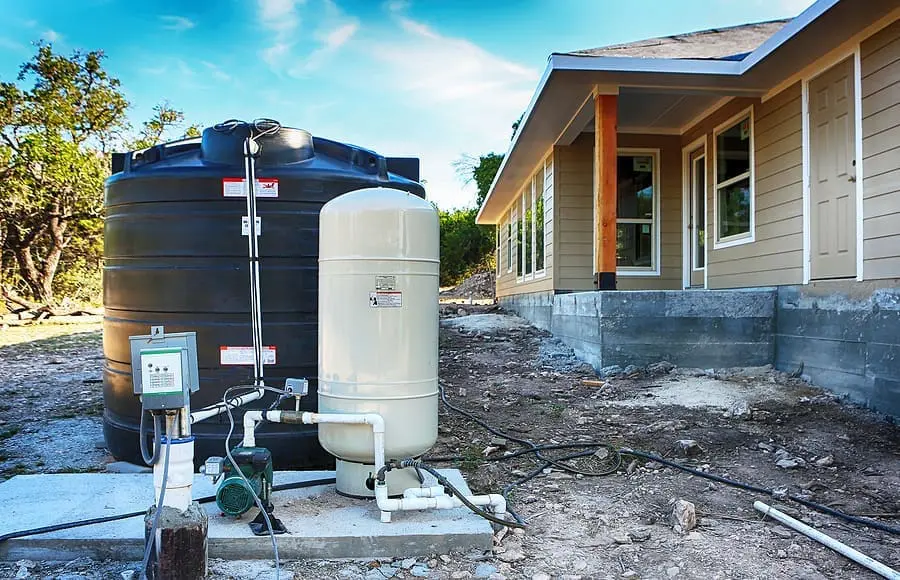 A residential water well can be shared with neighbors, but whether you should share your well, and how it should be shared will depend on many legal, technical, financial, and interpersonal factors. Sharing wells can provide money savings and easier access to groundwater but comes with some upkeep responsibilities. Most importantly, though, are the considerations of how you and your neighbor(s) get along and can work together to handle any future disputes that may arise when sharing a water well.
What Is a Shared Well and How Does It Work?
In general terms, a shared well works by allowing two or more properties to access one groundwater well. Typically, there will only be one well bore, pump, and water storage tank. The distribution system will run to two or more homes using separate piping, meters, or even a single shared line. Informal agreements can work for well sharing, but it is highly suggested to have some sort of easement and written agreement in place.
Can Neighbors Legally Share My Well?
Types of Shared Water Arrangements
There are several different ways people share wells throughout the United States. Knowing how others share wells can help you decide what approach may work best for your scenario:
Shared private well: Individual homes that share cost (and maintenance) of one well. Most likely to only have two homes using one well. Should include easement.
Community or cluster well: Multiple properties that create an association to manage one well that serves two or more properties.
Subdivision or HOA well: HOA owns well and includes cost in HOA dues for homes in that subdivision.
Legal Considerations You Need to Know Before Sharing
Legal rights and responsibilities are a significant consideration when dealing with water wells and your property. Always seek the advice of a professional attorney when drafting or signing any legally binding document. Every situation is unique so your situation may require additional research beyond what we can cover here.
Water Rights
Well ownership and water rights will vary from state to state. Many states follow riparian water rights laws, some follow prior appropriation water rights, and many have ground water-specific statutes. Generally, you’ll want to figure out if a well is considered “accessory” to the property it sits on or is considered a shared resource. Keep in mind whether each property has legal water rights, and how those rights are documented.
Recording easements or access agreements
Like water rights, if your well will serve more than one property, you should record an easement. An easement can provide access to the well property (if it’s not on each owners property) and allow use of the water. Also, define if additional installations can be added to the well property by other owners. Recording easements with your county land records keeps future purchasers of property bound by the agreement.
Permits needed and other laws you should know
It is likely that some form of permitting will be needed for your well and well system. This can include permits for new wells, shared wells, or changing the type of water system on your property. Depending on your location and well configuration, local building codes and health department rules will apply. Additionally, if your well sits within a subdivision there could be rules within those regulations you need to follow. Contact your county or state environmental health or water resources department to learn about permits required.
Liability
With shared water wells there is potential liability for all parties involved should contamination, injury, or failure occur. All parties should consider liability insurance and define requirements in the shared well agreement. If the well is only on your property, you will want to pay extra attention to liability issues and how they will be divided.
Title and resale concerns
Should you choose to sell your property in the future, the shared well agreement and any easements should be considered as they will affect the sale. Both buyers and lenders will typically perform title searches that include reviewing recorded documents. Decide how the shared well will be passed on if the property is sold. Clearly defined terms can help prevent future liabilities.
Is It OK for My Neighbor and I to Share a Well?
Technical / Hydrology Considerations
Not all wells can or should be shared with your neighbors. Some considerations include the geology of the area, well depth/type, and equipment. Review the following items and consult with professionals to ensure a shared well is feasible for you.
Capacity and safe water yield
A water table should have enough water supply (aquifer yield) to support peak usage of both properties. Drawing too much water from a well can cause issues. Look into “safe water yield” which is the amount of water that can be withdrawn from the well. A hydrogeologist or well contractor can help you calculate this.
Well Type, Depth, Construction
Ideally, deeper wells and wells that properly seal/case unused holes will provide better supply and minimize risk of contamination. Ensure you know the specifications of your well. Helpful information includes casing size, depth, pump depth, and if there is a separate distribution pressure tank.
Pump and Pressure Tank Setup
You may need to upgrade current equipment if sharing with another home. Larger pumps, pressure tanks, and properly sized distribution lines will be needed to split a system. Consider if there will be one pump serving both properties or if two individual pumps with separate meters are best. Additionally, installing backup pumps or emergency power can help with any service interruptions due to power outages.
Water Treatment / Quality Testing
The more homes using a well, the more potential uses there are for the water. Some homes may need better water quality for drinking water while another property may want it for irrigation. Regular water quality testing should be done to look for bacteria, nitrates, lead, and many other factors. Point-of-entry treatment (single treatment system for whole shared system) or point-of-use treatment (water filters at each house) should be decided upon.
Backflow Concerns
Connecting your well to other irrigation systems or water supplies requires prevention against contamination from backflow. Make sure to install backflow prevention devices on your system to limit any possible concerns. Follow all codes and requirements from your local officials.
Financial / Cost Considerations
Just like any bill you split with someone, there will be costs associated with sharing your water well. It is best to come up with a clear financial plan up front to avoid confusion and disputes later. Sharing a well can have initial costs, ongoing fees, and costs for repairs and/or replacement.
Well Sharing Initial Costs
One-time expenses can include drilling the well, well materials, pump and installer, pressure tank, any piping for distribution of water to multiple houses, meters, permits, etc. You’ll also want to consider attorney fees to help establish your shared well agreement.
Ongoing Well Sharing Costs
Electricity to power pump, routine water quality testing and treatment, repairs, and possible hiring of a well operator are some of the fees you and your neighbors will share. Decide if you want to set up a well operating account with shared funding or if your HOA will collect annual dues to account for these operating costs.
Methods of Sharing Costs
Deciding how to split a well operating costs should be something all parties are involved in. There is no right or wrong way to share costs, only what is fair for your situation. Some common methods for cost sharing include:
Split Evenly – Each home pays an equal portion of the costs. This is easiest to keep up with and predict but may be unfair if homeowners use well water at different rates
Based on Usage – Homes are metered and pay a rate based on usage. Fair system but requires meters, monthly readings, and bill processing.
By Property Size – Each property is responsible for a portion of costs based on lot size/frontage. This method works well if water use is roughly the same for each property.
By Household Size – Larger families would pay more than single occupant homes. Some may try to cheat this system by changing number of household members.
Combination – Using multiple of the above methods can create a base cost that each homeowner pays and then actual usage. Makes monthly costs predictable but requires more administration.
Once you’ve decided how you want to share costs, keep detailed financial records of payments and distribute to all parties.
Planning for Replacement and Reserves
It is also important to consider pump replacement, motor failure, well lining failures, and more. Funds should be obtained to replace the well pump every 10–20 years depending on water quality and usage. Decide how much money should be obtained when the reserve funds hit a certain threshold.