How Can You Tell If Your Santa Fe Well Water Is Contaminated?
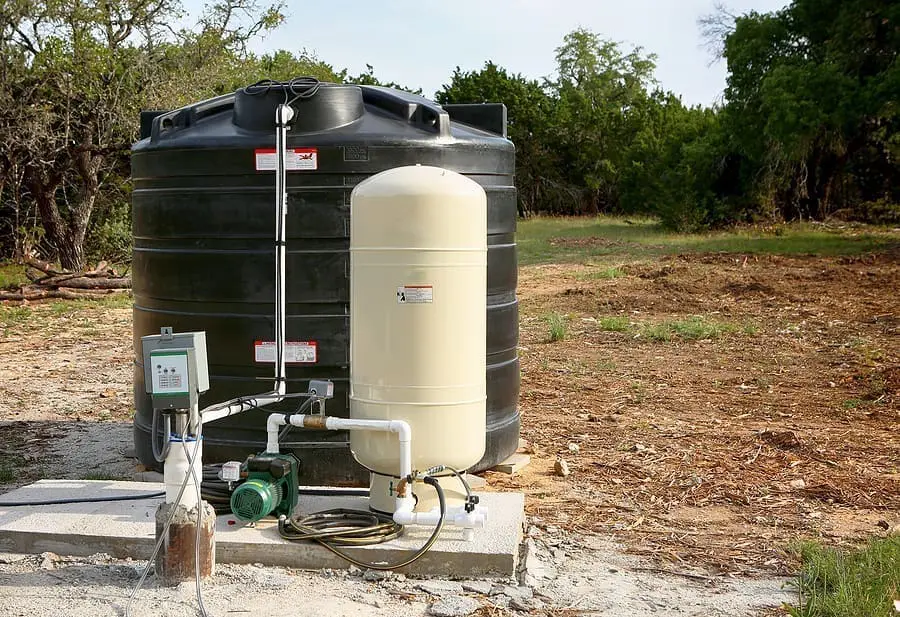
As someone who gets their water from a private well, it’s your job to ensure that you’re supplying your home with water that’s safe for consumption. Here’s how to tell if your Santa Fe well water is contaminated and what you can do about it.
Nearly 50 million Americans use private wells as their source of drinking water, but how can you know if it’s safe? Since water from your well doesn’t get tested or treated by the government like city tap water does, you’ll need to make sure it’s safe to use yourself. Contaminated water can cause severe health problems if consumed, so keep reading to learn how to spot signs of bacteria and how to filter your water to avoid getting sick.
Can bacteria in well water make you sick?
Both long and short-term illnesses can occur from exposure to contaminated well water. Stomach problems, diarrhea, and nausea are some effects of drinking water with bacteria and nitrates in it. These contaminants can cause chronic health problems if you’re exposed to them over time like anemia, high blood pressure, and cancer. You don’t even have to drink contaminated water to get sick. If you shower in water containing chemicals and other contaminants, you’re exposing your skin to them through direct contact. Some chemicals will vaporize as steam and put your lungs at risk for contamination.
Learn more about how contaminated well water can make you sick.
Common contaminants in well water
When you own a private well, the responsibility falls on you or your subdivision to ensure your water is safe to drink and use. While water can be contaminated by different substances based on your location and situation, here is a list of some of the most common contaminants found in well water:
Heavy Metals: Heavy metals such as arsenic, copper, chromium, and lead can get into your water from groundwater movements, surface water seeping into your well, and runoff into your well. These metals cause damage to your liver, kidneys, and intestines, as well as cause cancer.
Pesticides and Herbicides: Pesticides and herbicides make their way into groundwater because they’re used so frequently. Animals and humans also excrete chemicals when waste is dumped or spilled, contaminating the water. Exposure to these chemicals can cause damage to your kidneys, liver, and your circulatory system, nerves, and reproductive organs.
Nitrate and Nitrite: Commonly found in chemical fertilizers, human sewage, and animal waste. Nitrate and nitrite end up in groundwater through movements, sewage, and animal waste contaminating water that seeps into your well through runoff.
Microorganisms: Parasites, bacteria, and viruses can contaminate your well water when rain or snow melts and the spring runoff goes into your water. Many other pollutants can be caused by leakages from underground storage tanks and septic tank leach fields.
Fluoride: Fluoride comes from the weathering of fluoride-rich rocks and dissolved minerals. While fluoride helps prevent tooth decay, too much fluoride can cause a condition that causes pain in your bones and joints called skeletal fluorosis.
Signs your well water may be contaminated
There are several signs of contamination that are visible to the eye, or you can smell it with your nose. Here is a list of everything you can look out for to ensure that your well water is safe to use.
Murky or cloudy water
Ideally, water should be clear when it comes out of your faucets. If your water is cloudy or murky, there could be dirt, clay, silt, or rust in it. These substances make their way into your glass as the water passes them on its way to your faucets. Air bubbles can cause your water to become cloudy, or it could be an underlying plumbing issue.
Visible particles in water
If you see dirt, clay, silt, or rust in your water then it is contaminated. Water should be free of any sediments that you can see. Just because you can’t see smaller particles doesn’t mean they aren’t there. Small particles in your drinking water can make you sick, along with clogging your well pump and plumbing.
Oily residue on top of water
When your water has an oily look to it, it is likely due to an excess of minerals like iron bacteria in your water. When these minerals are exposed to air, they oxidize and create that oily sheen. Iron bacteria can happen when your well pump is old and needs to be replaced or if your well is positioned too close to an untreated water source. If the oily layer looks like petroleum floating on top of water, it could mean you have plastic pipes or you’ve had a sewage leak. Either way, you should stop drinking your water immediately and get it checked.
Scale or soap residue left behind after wiping water
Scale looks like white pieces that build up in your faucets and pipes. If your water feels slippery after wiping it away, you could have soap scum in your water. Soap scum and scale are both caused by hard water, which has high mineral counts of calcium and magnesium.
Water stains on counters, clothing, and appliances
If you notice red, green, or brown stains in places you wipe your water you could have contaminated well water. Red and brown stains are typically from iron built up in your water. Green stains typically come from acid in your water that could have entered through cracked pipes.
Water has a smell
If your water smells like rotten eggs, detergent, or chlorine it could be contaminated. Hydrogen sulfide gas, sewage leaks, and pesticides or chemicals run the properties nearby are the causes of these smells, respectively. Each of these contaminants can cause you harm if you drink water with them in high concentrations.
Water has a weird taste
If your water tastes salty, soapy, chemical-like, or metallic then you could have contaminated well water. Sodium, chloride, pesticides or chemicals, acids, and high mineral counts are the causes of these tastes.
What to do if your well water is contaminated
Here is what you should do if you think your well water may be contaminated:
Stop drinking water from the well
If you notice any of the signs we mentioned above, stop drinking water from your well immediately. You shouldn’t put your family’s health at risk by waiting to figure out if your water is contaminated or not. There’s no need to panic; just buy some bottled water and follow the steps we provide below.
Have your well water tested
Once you stop using your water you should contact a certified water testing company. Water tests check for numerous contaminants such as bacteria, chemicals, heavy metals, and more.
Install water filtration to treat contaminated well water
Once you know what you’re dealing with, you should install a water filter that can rid your water of the contaminants you find. Water filters remove a multitude of pollutants like bacteria, chemicals, sediment, and odors. The best way to treat your well water is by using UV (ultraviolet) disinfection, so look for a water filter that has that trait.