How Do I Protect My Well from Contamination Throughout the Year?
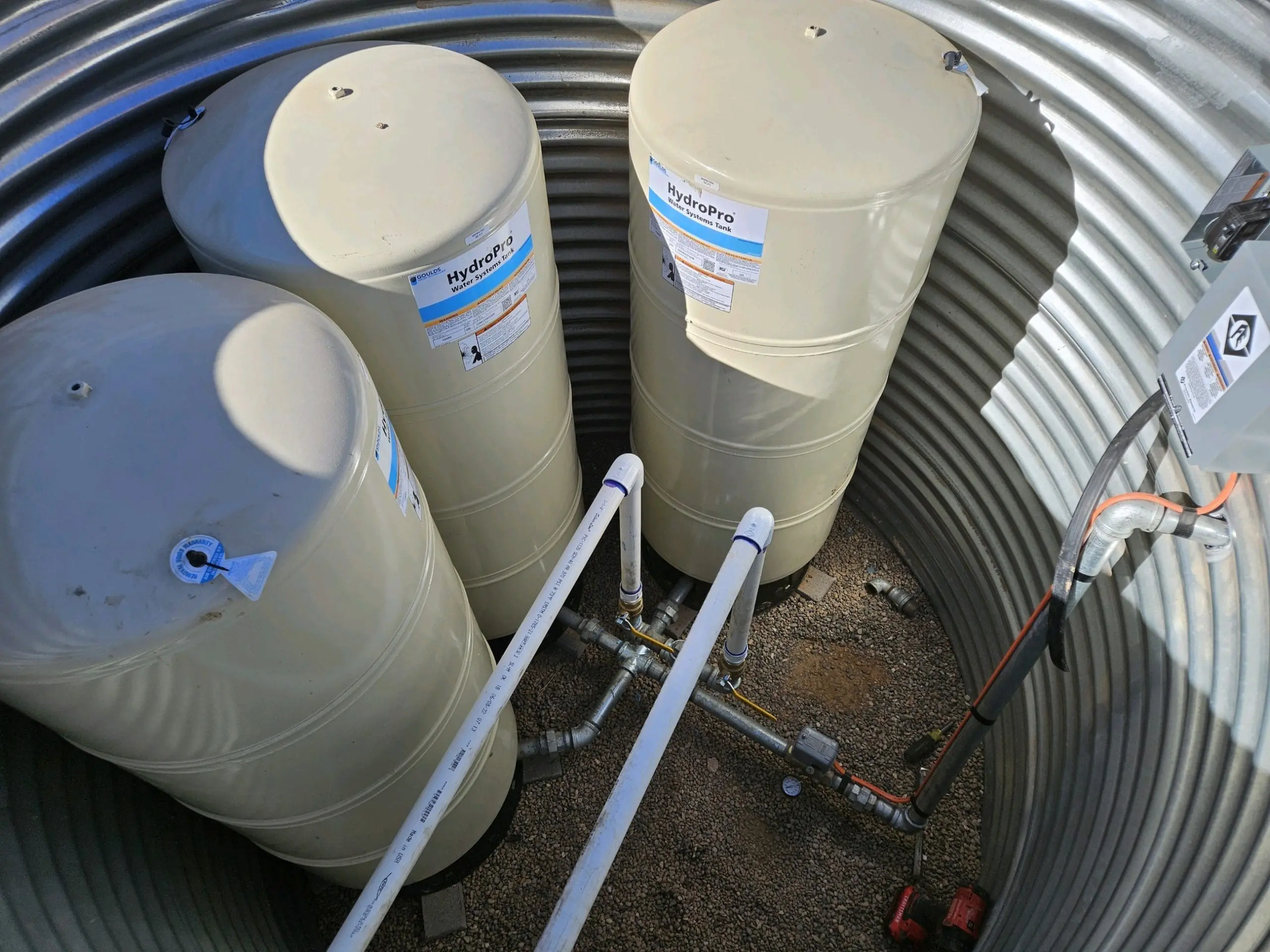 For homeowners who rely on a private water well, protecting groundwater quality is just as important as maintaining the pump, pressure tank, or plumbing system. Unlike homes connected to a municipal water supply, private well owners are responsible for safeguarding both the well itself and the water it delivers every day. A properly maintained water well can provide decades of dependable service, but contamination can quickly compromise water quality, create health concerns, and lead to expensive repairs if problems are not identified early.
Many well owners assume contamination only occurs after a major flood or chemical spill. In reality, contamination often develops gradually through small issues that go unnoticed. A cracked well cap may allow insects or rodents to enter the well. Poor drainage around the wellhead can carry bacteria-laden surface water toward the casing during heavy rains. Septic systems that are poorly maintained or located too close to the well can introduce harmful microorganisms into groundwater. Even everyday products such as fertilizers, pesticides, gasoline, motor oil, or livestock waste can become contamination sources if they are stored or managed improperly.
Northern New Mexico presents unique challenges for private well owners. High-desert conditions, seasonal drought, intense summer monsoon storms, spring snowmelt, freezing winter temperatures, and varying geological formations all influence how groundwater moves beneath the surface. Rural properties often include septic systems, livestock areas, irrigation systems, fuel storage, workshops, or agricultural operations that require thoughtful planning to help protect groundwater.
Fortunately, protecting your water well does not require complicated technology or constant maintenance. Most contamination problems can be significantly reduced through regular inspections, proper property management, routine water testing, and prompt attention to small issues before they become major ones.
At Boylan Water Well Service & Supply, helping homeowners protect their investment is just as important as drilling a new well or replacing a pump. The company provides complete water well drilling, pump installation, well inspections, maintenance, troubleshooting, and water system services throughout Santa Fe and Northern New Mexico. Years of working with the region’s geology, aquifers, and rural water systems have shown that preventative maintenance is almost always less expensive than correcting contamination after it occurs. Boylan’s company profile emphasizes dependable workmanship, long-term performance, practical education, and honest recommendations tailored to Northern New Mexico’s unique groundwater conditions.
This guide explains how groundwater becomes contaminated, the most common risks facing private wells, and the practical steps every homeowner can take throughout the year to help keep their water supply clean, safe, and reliable.
Why Well Contamination Matters
Your private water well is more than just a hole drilled into the ground. It is your household’s primary source of drinking water, cooking water, bathing water, and often the water used for livestock, irrigation, and other daily activities. When contamination enters the groundwater system, it can affect every faucet in your home.
One important fact many new well owners don’t realize is that groundwater naturally moves through soil, sand, gravel, fractured rock, and underground aquifers. While these geological formations provide natural filtration, they cannot remove every contaminant. Certain bacteria, viruses, chemicals, nitrates, petroleum products, and other pollutants can travel through the ground and eventually reach a private well if proper safeguards are not in place.
Contamination can lead to a variety of problems, including:
- Unsafe drinking water
- Unpleasant tastes or odors
- Cloudy or discolored water
- Increased sediment
- Damage to plumbing fixtures
- Premature pump wear
- Water treatment costs
- Reduced property value
- Expensive well rehabilitation
In many cases, contamination develops without obvious warning signs. Water may appear perfectly clear while still containing bacteria or other contaminants that require laboratory testing to detect.
This is why professional well maintenance includes more than simply waiting until something breaks. Boylan’s knowledge base emphasizes preventative maintenance, annual inspections, water testing, and routine system evaluations because identifying problems early often prevents more costly repairs later.
Another reason contamination prevention is so important is that cleaning a contaminated aquifer is far more difficult than preventing contamination in the first place. Once pollutants reach groundwater, they can be challenging and expensive to remove.
Preventative care protects:
- Your family’s health
- Your investment
- Your water system equipment
- Your property’s long-term value
- The groundwater resources shared throughout Northern New Mexico
How Groundwater Becomes Contaminated
Many homeowners imagine groundwater as an underground lake hidden beneath their property. In reality, groundwater usually occupies tiny spaces between soil particles, sand, gravel, and fractured bedrock within underground aquifers.
As rain and snowmelt soak into the ground, the water naturally filters downward until it reaches these saturated zones. During this journey, water can dissolve naturally occurring minerals while also carrying pollutants if contamination exists near the surface.
A properly constructed water well is designed to draw clean groundwater from deeper underground while preventing surface contaminants from entering the well casing. However, several conditions can allow contamination to bypass these protective barriers.
Surface Water Intrusion
One of the most common contamination pathways occurs when rainwater or floodwater pools around the wellhead instead of draining away. Surface water may contain:
- Animal waste
- Bacteria
- Fertilizers
- Pesticides
- Fuel residues
- Septic effluent
- Sediment
- Organic debris
If the well casing, cap, or seals are damaged, contaminated surface water may enter the well directly.
Damaged Well Components
Every water well includes protective components designed to keep contaminants out.
These include:
- Well casing
- Sanitary well cap
- Electrical conduit seals
- Pitless adapter
- Surface grading around the well
Over time, weather exposure, corrosion, accidental equipment damage, animals, or improper maintenance may compromise these protective barriers.
Even a small opening in a damaged well cap can allow insects, rodents, spiders, snakes, or contaminated runoff to enter the well.
Human Activities
Many contamination risks result from everyday activities around rural properties.
Examples include:
- Improper chemical storage
- Fuel spills
- Fertilizer overuse
- Livestock concentration
- Septic system failures
- Improper waste disposal
- Abandoned wells
- Construction projects
While these activities may seem unrelated to drinking water, groundwater connects much of what happens on the surface with what eventually reaches the aquifer.
Natural Conditions
Northern New Mexico’s geology also plays a role.
Factors such as fractured rock formations, shallow groundwater, seasonal runoff, and varying soil types influence how quickly contaminants can move underground.
The region’s summer monsoon storms often produce intense rainfall over short periods, increasing the importance of proper drainage around every wellhead. Likewise, spring snowmelt can saturate soils and carry surface contaminants toward improperly protected wells.
Understanding these natural conditions helps homeowners appreciate why routine inspections are such an important part of responsible well ownership.
The Most Common Sources of Well Contamination
Although every property is unique, water well professionals encounter several contamination sources repeatedly.
Understanding these common risks allows homeowners to reduce problems before they affect water quality.
| Contamination Source | How It Reaches the Well | Prevention Step |
| Surface runoff | Rainwater carries contaminants toward the wellhead | Grade soil away from the casing |
| Floodwater | Flooding submerges the wellhead | Inspect and disinfect the well after flooding |
| Septic system | Failing systems release bacteria and nitrates | Maintain proper setbacks and regular septic inspections |
| Fertilizers | Excess nutrients leach into groundwater | Apply only recommended amounts away from the well |
| Pesticides and herbicides | Chemicals move through soil after rainfall | Avoid mixing or storing chemicals near the well |
| Fuel and oil | Spills infiltrate surrounding soils | Store fuels safely away from groundwater sources |
| Livestock waste | Bacteria migrate during runoff events | Keep animals and manure away from the wellhead |
| Damaged well cap | Insects, rodents, and contaminated water enter the well | Inspect the cap regularly and replace damaged components |
| Cracked casing | Surface contaminants bypass natural filtration | Repair or replace damaged casing promptly |
| Abandoned wells | Old wells become direct contamination pathways | Properly plug abandoned wells according to state requirements |
Fortunately, nearly every contamination source listed above can be significantly reduced through routine inspections, thoughtful property management, and preventative maintenance.
Because Boylan Water Well Service & Supply works throughout Santa Fe and Northern New Mexico, the company routinely helps homeowners evaluate wellheads, inspect pump systems, coordinate water testing, diagnose contamination concerns, and recommend practical long-term solutions designed for the region’s rural properties and groundwater conditions.
In the next section, we’ll look at the specific steps you can take around your wellhead, septic system, landscaping, and property to reduce contamination risks throughout the year.
Protecting the Wellhead
If your private water well has a first line of defense against contamination, it is the wellhead. The wellhead includes the visible portion of the well casing above ground, the sanitary well cap, electrical conduit, and surrounding area. Together, these components are designed to keep surface contaminants from entering the well while protecting the groundwater below.
Many contamination problems begin because the wellhead has been overlooked for years. A loose cap, cracked casing, damaged seal, or poor drainage may seem like a minor issue, but each can provide a direct pathway for bacteria, insects, rodents, or contaminated runoff to enter the well.
Fortunately, protecting the wellhead is one of the easiest and most effective ways to preserve water quality.
Inspect the Wellhead Regularly
Walk around your well at least several times a year, particularly after severe weather. During your inspection, look for:
- A secure sanitary well cap
- No visible cracks or corrosion in the casing
- Electrical conduit entering through properly sealed fittings
- No standing water around the well
- No evidence of insects or animal nests
- No damage from lawn equipment or vehicles
- No exposed wiring
- No erosion exposing the casing
A properly constructed well should extend above the surrounding ground so rainwater naturally drains away from it.
If you notice any damage, avoid attempting repairs yourself. A licensed water well professional can determine whether the damage affects the integrity of the well and recommend appropriate repairs.
Never Remove the Well Cap Unnecessarily
The sanitary well cap is specifically designed to keep contaminants out while allowing the well to breathe properly.
Opening the cap simply to “look inside” can introduce bacteria, insects, dirt, or debris into the well. If inspection inside the casing is needed, it should be performed using proper procedures and equipment.
Keep the Area Around the Well Clean
The ground surrounding the well should remain free from unnecessary materials.
Avoid storing:
- Firewood
- Compost piles
- Garbage cans
- Animal feed
- Building materials
- Scrap metal
- Fuel containers
- Landscaping supplies
Clutter can trap moisture, attract rodents, and interfere with inspections.
Boylan Water Well Service & Supply emphasizes complete water system evaluations and preventative maintenance because small issues identified during routine inspections often prevent larger problems later. Their services include well inspections, maintenance, troubleshooting, pump systems, and complete groundwater support for rural properties throughout Northern New Mexico.
Preventing Surface Runoff and Flood Damage
Water naturally flows downhill, carrying whatever it encounters along the way. During heavy rains or spring snowmelt, runoff may contain:
- Soil
- Animal waste
- Fertilizers
- Herbicides
- Pesticides
- Oil
- Fuel
- Organic debris
- Bacteria
If runoff collects around the wellhead, contaminated water may seep downward alongside the casing or enter through damaged components.
Grade the Ground Properly
The soil surrounding the well should gently slope away in every direction.
This simple grading helps prevent water from pooling around the casing.
If you regularly notice puddles after storms, grading improvements may be needed.
Watch During Summer Monsoons
Northern New Mexico frequently experiences powerful afternoon thunderstorms during the summer monsoon season.
These storms can produce large amounts of rainfall in a short period, creating flash flooding and rapidly moving surface water.
After a significant storm, inspect your well for:
- Standing water
- Soil erosion
- Damaged casing
- Loose well cap
- Debris accumulation
- Flood deposits
Even if your water appears normal, contamination can occur after flooding. If floodwater reaches the wellhead, discontinue drinking the water until appropriate testing and any needed disinfection have been completed.
Protect During Snowmelt
Spring snowmelt creates a different type of runoff.
Melting snow may slowly saturate soils for days or weeks, allowing contaminants to migrate toward improperly protected wells.
Properties on hillsides should be monitored carefully since water often follows natural drainage channels.
Respond Quickly After Flooding
If floodwater reaches your well:
- Do not assume the water is safe.
- Inspect visible damage from a safe distance.
- Contact a qualified well professional.
- Arrange for water testing.
- Follow professional recommendations regarding disinfection before returning the well to normal use.
Septic Systems and Safe Separation Distances
One of the most important relationships on any rural property is the distance between the private well and the septic system.
Both systems serve essential purposes, but they should never interfere with one another.
A properly functioning septic system treats wastewater underground. If the system fails, leaks, or is installed too close to the well, bacteria, viruses, nitrates, and other contaminants may eventually reach groundwater.
Why Separation Matters
Groundwater moves beneath the surface.
Although soil provides natural filtration, it cannot eliminate every contaminant.
Maintaining adequate separation between the well and septic components greatly reduces contamination risks.
During new construction, both systems should be planned together—not independently.
Maintain Your Septic System
Routine septic maintenance protects more than the septic system itself.
It also helps protect your drinking water.
Recommended practices include:
- Regular pumping
- Routine inspections
- Prompt repairs
- Conserving water
- Preventing grease buildup
- Avoiding harsh chemicals that disrupt bacterial activity
Warning Signs of Septic Problems
Watch for:
- Wet spots
- Sewage odors
- Slow drains
- Frequent backups
- Lush vegetation over the drain field
- Standing wastewater
Any of these conditions deserve prompt attention.
Ignoring septic problems can eventually affect groundwater quality.
Chemicals, Fuel, Fertilizers, and Pesticides
Many well contamination problems originate not from the well itself but from materials stored elsewhere on the property.
Homeowners often underestimate how easily chemicals can migrate into groundwater over time.
Keep Chemicals Away From the Wellhead
Never store chemicals next to your well.
This includes:
- Gasoline
- Diesel fuel
- Motor oil
- Paint
- Paint thinner
- Solvents
- Weed killers
- Herbicides
- Insecticides
- Fertilizers
- Pool chemicals
Leaks and spills can soak into surrounding soils where contaminants may eventually reach groundwater.
Mix Chemicals Carefully
Avoid mixing pesticides or herbicides near the well.
Even small spills can become contamination sources.
Whenever possible:
- Mix chemicals on an impermeable surface.
- Clean spills immediately.
- Dispose of containers properly.
- Follow manufacturer instructions.
Apply Lawn Products Responsibly
More fertilizer is not always better.
Excess fertilizer can wash into the soil during rainfall.
Likewise, pesticides should never be applied immediately before heavy rain is expected.
Follow label recommendations and avoid treating areas close to the wellhead.
Fuel Storage
Many rural properties maintain fuel tanks for tractors, generators, or equipment.
Inspect storage tanks regularly for:
- Corrosion
- Leaks
- Damaged valves
- Worn hoses
- Overflow problems
Fuel spills should be cleaned promptly before they soak into the soil.
Landscaping Around Your Well
Landscaping can improve the appearance of your property while also helping protect your well—but only if it is planned carefully.
Keep the Well Accessible
Your well should always remain easy to locate and inspect.
Avoid surrounding it with:
- Dense shrubs
- Decorative fencing
- Raised garden beds
- Rock walls
- Large landscape features
Emergency repairs become much more difficult if technicians cannot easily access the well.
Avoid Deep-Rooted Trees
Large tree roots may eventually interfere with underground water lines or other well components.
Select smaller plants that require minimal irrigation and produce shallow root systems.
Do Not Build Over the Well
Avoid placing:
- Decks
- Sheds
- Garages
- Patios
- Permanent structures over or immediately around the well.
Future maintenance requires unrestricted access.
Control Irrigation
Landscape irrigation should not continuously soak the area around the well casing.
Excess moisture encourages corrosion and increases the potential for surface contamination.
Instead, direct irrigation away from the well while maintaining healthy vegetation elsewhere on the property.
Livestock and Animal Protection
Many Northern New Mexico properties include horses, cattle, goats, sheep, chickens, or other livestock.
While these animals are valuable assets, they also introduce contamination risks if allowed unrestricted access to the wellhead.
Keep Animals Away
Livestock should not gather around the well.
Animal waste contains bacteria that can be transported by rainfall into nearby soils.
Install fencing when necessary to discourage animals from rubbing against the casing or damaging well components.
Watch for Burrowing Animals
Ground squirrels, gophers, mice, and other burrowing animals may disturb soils around the well.
Their tunnels can alter drainage patterns and create pathways for water movement.
Inspect the area periodically for fresh burrows and erosion.
Keep Insects Out
A properly fitted sanitary well cap helps prevent:
- Ants
- Wasps
- Bees
- Spiders
- Beetles
- Rodents
from entering the well casing.
If you observe insect activity around the wellhead, have the cap inspected rather than attempting to seal openings with household caulking or temporary materials.
Protecting a private water well begins above ground. A secure wellhead, good drainage, responsible chemical storage, proper septic maintenance, thoughtful landscaping, and keeping livestock away from the well all work together to reduce contamination risks before they reach the groundwater.
These preventative practices align with Boylan Water Well Service & Supply’s long-term philosophy of helping homeowners protect reliable water systems through routine inspections, maintenance, and practical groundwater management rather than waiting for major problems to develop. Their services include well inspections, maintenance, water treatment support, pump systems, and complete water well services throughout Santa Fe and Northern New Mexico.
Seasonal Well Protection Guide
Protecting your private water well is not something that should only happen when a problem develops. Like your home’s heating system, roof, or septic system, your well benefits from routine attention throughout the year.
Each season in Northern New Mexico presents different challenges. Spring snowmelt can increase runoff around the wellhead. Summer monsoon storms may expose the well to flooding and erosion. Fall is an excellent time to prepare the system for freezing temperatures, while winter requires protecting exposed components from ice and cold weather.
Following a seasonal maintenance schedule helps identify small problems before they become expensive repairs and helps preserve the quality of your groundwater for years to come.
Boylan Water Well Service & Supply encourages preventative maintenance because regular inspections often reveal worn components, damaged wellheads, declining pump performance, or drainage problems before they affect your household’s water supply. Preventative maintenance, system evaluations, and annual inspections are central parts of the company’s long-term approach to dependable rural water systems.
Spring Well Protection
Spring is one of the most important seasons for well maintenance.
As snow melts and seasonal rains arrive, groundwater levels often change. Saturated soils and increased runoff can expose weaknesses around the wellhead that developed during winter.
Inspect the Wellhead
Begin by walking around the well.
Look for:
- Damaged well cap
- Cracked casing
- Loose electrical conduit
- Animal activity
- Standing water
- Soil erosion
- Exposed well casing
- Evidence of winter freeze damage
Even small cracks or damaged seals should be evaluated before heavy spring rains begin.
Check Drainage
Spring runoff should flow away from the well.
If water consistently pools around the casing, grading improvements may be needed.
Good drainage greatly reduces the chance of contaminated surface water entering the well.
Inspect After Snowmelt
Properties located in foothills or mountain areas often experience prolonged snowmelt.
Continue watching the well during periods of rapid melting, particularly if water flows naturally across your property.
Test Water if Needed
Spring is an excellent time to perform annual water testing, especially if:
- You have not tested recently.
- The property experienced flooding.
- Water quality has changed.
- Construction occurred nearby.
- The home has been vacant during winter.
Summer Well Protection
Summer brings increased water demand throughout Northern New Mexico.
Irrigation, livestock watering, gardens, and outdoor activities all place greater demands on private water systems.
At the same time, summer monsoon storms create one of the year’s greatest contamination risks.
Watch for Heavy Rainfall
Intense afternoon thunderstorms can produce rapid runoff.
After every major storm:
- Inspect the wellhead.
- Look for erosion.
- Remove accumulated debris.
- Confirm the well cap remains secure.
- Verify that runoff still drains away from the casing.
Monitor Water Usage
High summer demand may place additional stress on:
- Pumps
- Pressure tanks
- Pressure switches
- Storage systems
If water pressure suddenly changes during periods of heavy use, it may indicate a developing system problem rather than contamination.
Protect Chemicals
Summer is often when homeowners apply:
- Fertilizers
- Weed killers
- Insecticides
Use these products carefully and avoid applying them immediately before rainstorms.
Proper storage is equally important.
Never store chemicals near the wellhead.
Inspect Livestock Areas
Heavy rains can wash manure toward the well if livestock areas are poorly located.
Inspect fencing and drainage after storms to help reduce contamination risks.
Fall Well Protection
Many professionals consider fall the ideal season for comprehensive well maintenance.
The weather is generally mild, outdoor water use declines, and homeowners have time to prepare for winter.
Schedule for a Professional Inspection
Fall inspections allow technicians to evaluate:
- Pump performance
- Pressure tank operation
- Electrical controls
- Wellhead condition
- Water pressure
- Overall system performance
Routine evaluations often identify components nearing the end of their service life before winter emergencies occur.
Prepare for Freezing Weather
Inspect:
- Well houses
- Insulation
- Exposed piping
- Heat tape (if installed)
- Electrical connections
Cold weather repairs are usually more difficult and more expensive than preventative maintenance performed in the fall.
Remove Vegetation
Trim back weeds, tall grass, and shrubs growing around the well.
Maintaining clear visibility makes future inspections easier while discouraging rodents and insects.
Review Water Quality
If your annual water test has not yet been completed, fall provides another excellent opportunity before winter weather arrives.
Winter Well Protection
Winter in Northern New Mexico presents different challenges depending on elevation and location.
Mountain communities frequently experience prolonged freezing temperatures, while lower elevations may see repeated freeze-thaw cycles.
Protect Exposed Components
Inspect all exposed:
- Pipes
- Valves
- Pressure tanks
- Electrical connections
- Well houses
Proper insulation reduces the likelihood of freeze damage.
Keep Access Clear
Snow, ice, and drifting snow should not block access to the well.
Emergency repairs become much more difficult when technicians cannot reach the equipment.
Monitor Water Pressure
A sudden loss of pressure during freezing weather may indicate:
- Frozen pipes
- Frozen pressure lines
- Pump problems
- Electrical issues
Prompt diagnosis helps prevent additional damage.
Watch for Wildlife
Winter often drives rodents toward warm structures.
Inspect well houses and equipment enclosures for evidence of nesting animals that may damage wiring or insulation.
Water Testing Recommendations
One of the biggest misconceptions among well owners is that clear water automatically means safe water.
Unfortunately, many contaminants cannot be seen, smelled, or tasted.
Routine laboratory testing remains the only reliable way to evaluate many aspects of drinking water quality.
Test Your Water Regularly
Annual testing is generally recommended for private wells.
Additional testing may be appropriate depending on:
- Property location
- Nearby agricultural activity
- Septic systems
- Previous water quality concerns
- Household health concerns
- Changes in groundwater conditions
Boylan Water Well Service & Supply coordinates water testing and helps homeowners understand when additional evaluation may be appropriate as part of complete groundwater system maintenance.
Test After Specific Events
Water testing should also be considered after:
- Flooding
- Major storms
- Pump replacement
- Well repairs
- Damage to the well cap
- Septic failures
- Nearby chemical spills
- Wildfires affecting the watershed
- Long periods of vacancy
Watch for Warning Signs
Arrange testing if you notice:
- Cloudy water
- Unusual odors
- Metallic taste
- Increased sediment
- Oily appearance
- Household illness potentially related to water
- Sudden water quality changes
Even when symptoms appear minor, laboratory analysis provides much more reliable information than visual inspection alone.
When to Shock Chlorinate a Well
Shock chlorination is a process used to disinfect a private water well after certain events that may introduce bacteria into the system.
It should not be viewed as routine maintenance or as a cure-all for every water quality problem.
Instead, it is appropriate under specific circumstances.
Examples include:
- After a new well is drilled
- Following pump replacement
- After well rehabilitation
- After repairs involving the well casing
- Following floodwater intrusion
- After replacing a damaged well cap
- When bacterial contamination has been confirmed and disinfection is recommended
- After certain plumbing modifications connected to the well
Simply adding chlorine without determining the underlying cause of contamination may only provide temporary improvement.
If contamination repeatedly returns, the source of the problem should be identified rather than repeatedly disinfecting the system.
Professional evaluation may reveal:
- Damaged casing
- Failed sanitary seal
- Surface water intrusion
- Septic problems
- Improper drainage
- Structural well defects
Correcting the source is just as important as disinfecting the water.
Table: Seasonal Maintenance Checklist
| Season | Recommended Maintenance |
| Spring | Inspect the wellhead, check drainage, inspect for snowmelt damage, arrange annual water testing if needed. |
| Summer | Inspect after monsoon storms, monitor water use, protect against runoff, safely store chemicals, inspect livestock areas. |
| Fall | Schedule a professional inspection, prepare for freezing weather, trim vegetation, inspect pressure system components, complete annual water testing if not already performed. |
| Winter | Protect exposed pipes, monitor for freezing, keep access clear, inspect well houses, watch for wildlife damage. |
Table: Routine Testing vs. Event-Triggered Testing
| Routine Water Testing | Event-Triggered Water Testing |
| Annual testing | Flooding around the well |
| During routine maintenance | Pump replacement |
| During property purchases | Well rehabilitation |
| After long-term ownership | Damage to the well cap |
| Preventative monitoring | Septic system failure |
| Water quality baseline | Nearby chemical or fuel spill |
| Peace of mind | Major plumbing or well repairs |
| Seasonal maintenance planning | Sudden changes in taste, odor, color, sediment, or household illness |
Following a seasonal maintenance routine helps transform well ownership from reacting to emergencies into preventing them. Regular inspections, proper drainage, responsible property management, timely water testing, and prompt attention to warning signs all contribute to protecting groundwater and extending the life of the entire water system.
These recommendations also reflect Boylan Water Well Service & Supply’s commitment to helping homeowners throughout Santa Fe and Northern New Mexico protect dependable groundwater systems through preventative maintenance, well inspections, water testing coordination, pump diagnostics, and complete water system support.
Warning Signs of Contamination
Even the best-constructed private water wells can develop problems over time. Weather, aging components, nearby construction, changing groundwater conditions, and property activities can all affect water quality. The sooner contamination is recognized, the sooner corrective action can be taken to protect both your household and your water system.
One important point to remember is that contaminated water does not always look, smell, or taste unusual. Some contaminants are completely invisible without laboratory testing. However, there are several warning signs that should never be ignored.
Changes in Water Appearance
One of the first things homeowners often notice is a visible change in the water.
Watch for:
- Cloudy water
- Brown or rusty water
- Black discoloration
- Milky appearance
- Increased sediment
- Floating particles
While some of these issues may be caused by naturally occurring minerals or mechanical problems within the well system, they can also indicate contamination or changes in groundwater conditions.
Unusual Taste or Odor
Changes in taste or smell deserve attention, especially if they occur suddenly.
Examples include:
- Rotten egg odor
- Metallic taste
- Earthy smell
- Musty odor
- Chemical smell
- Fuel-like odor
Some odors are associated with naturally occurring minerals, while others may point to bacterial activity, nearby contamination sources, or problems affecting groundwater quality.
Reduced Water Pressure
Low water pressure does not always indicate contamination, but it may signal problems affecting the overall water system.
Possible causes include:
- Pump wear
- Pressure tank problems
- Water line leaks
- Sediment buildup
- Declining well production
Because these conditions sometimes occur alongside water quality concerns, they should be evaluated rather than ignored.
Damaged Wellhead Components
Inspect the wellhead regularly for:
- Loose or missing well cap
- Cracked casing
- Corrosion
- Damaged seals
- Exposed wiring
- Evidence of insects or rodents
Any opening into the well increases the potential for contamination.
Standing Water Around the Well
Persistent puddles surrounding the well casing are never a good sign.
Standing water may indicate:
- Poor drainage
- Flood damage
- Broken irrigation lines
- Soil settlement
- Surface runoff problems
If contaminated runoff repeatedly pools around the wellhead, the risk of groundwater contamination increases.
Sudden Household Illness
If multiple members of the household experience unexplained gastrointestinal illness and no other obvious cause can be identified, the water supply should be considered as one possible factor.
Stop drinking the water until appropriate testing and professional guidance determine whether contamination is present.
Recent Property Events
Certain situations increase contamination risks even when the water initially appears normal.
Examples include:
- Flooding
- Wildfire damage
- Septic system failure
- Nearby excavation
- Pump replacement
- Well repairs
- Chemical spills
- Long periods when the home was vacant
These events often justify additional inspection and water testing.
When to Call a Professional
Some maintenance tasks—such as visually inspecting the wellhead or keeping the surrounding area clean—can be performed by homeowners.
However, many well system problems require specialized equipment, experience, and knowledge of groundwater systems.
Contact a qualified water well professional if you notice:
- No water
- Sudden loss of pressure
- Water quality changes
- Damaged well cap
- Cracked casing
- Floodwater around the well
- Persistent sediment
- Pump cycling problems
- Electrical issues
- Suspected contamination
Professional evaluation may include:
- Complete well inspection
- Pump performance testing
- Pressure tank evaluation
- Electrical diagnostics
- Water level measurements
- Water quality testing coordination
- Wellhead inspection
- Recommendations for repairs or rehabilitation
Attempting major repairs yourself may create additional contamination pathways or damage expensive equipment.
Boylan Water Well Service & Supply provides comprehensive water well services throughout Santa Fe and Northern New Mexico, including well inspections, pump installation, pump repair, water system troubleshooting, pressure systems, water testing coordination, well rehabilitation, and preventative maintenance. Their experienced team understands the area’s unique geology and groundwater conditions and works to provide long-term solutions rather than temporary fixes.
Frequently Asked Questions
How often should private well water be tested?
Most private wells should be tested at least once a year. Additional testing is recommended after flooding, major repairs, changes in water quality, septic failures, or other events that could affect groundwater.
What contaminants should a well owner test for?
Testing recommendations vary depending on your location and circumstances. Common evaluations may include bacteria, nitrates, and other contaminants based on local groundwater conditions and your property’s specific risks.
Can flooding contaminate a private well?
Yes. Floodwater can carry bacteria, chemicals, sediment, and debris that may enter a well if the casing or wellhead has been compromised. Wells exposed to flooding should be inspected and tested before the water is considered safe to use.
How far should a well be from a septic system?
Minimum separation distances are established by state and local regulations and vary depending on the type of well, septic system, and site conditions. Following all applicable requirements during installation helps reduce contamination risks.
What should never be stored near a wellhead?
Avoid storing gasoline, diesel fuel, pesticides, herbicides, fertilizers, paint, solvents, motor oil, animal waste, or other potentially hazardous materials near the well.
Can fertilizers or pesticides enter groundwater?
Yes. Improper application, spills, or excessive use may allow these materials to move through the soil and potentially reach groundwater, especially during heavy rainfall or irrigation.
Is it safe to landscape around my well?
Yes, provided landscaping does not interfere with inspections, drainage, or future maintenance. Avoid planting large trees close to the well and maintain proper grading so water flows away from the wellhead.
Should a well be disinfected after repairs?
In many cases, shock chlorination is recommended after pump replacement, well rehabilitation, or other repairs that expose the inside of the well. Your water well professional can determine whether disinfection is appropriate for your specific situation.
When should I stop drinking my well water?
If you notice sudden changes in color, odor, taste, sediment, or suspect contamination after flooding or another event, discontinue using the water for drinking and cooking until appropriate testing and professional evaluation have been completed.
Conclusion
A private water well is one of the most valuable assets on a rural property. With proper care, it can provide decades of dependable water for your home, livestock, agricultural operations, and everyday life. Protecting that investment begins long before a contamination problem develops.
Simple preventative measures—such as maintaining a secure wellhead, directing surface runoff away from the casing, properly maintaining your septic system, storing chemicals safely, practicing thoughtful landscaping, scheduling routine inspections, and testing your water regularly—can significantly reduce the risk of contamination.
Northern New Mexico’s unique climate, geology, and seasonal weather patterns make ongoing maintenance especially important. Spring snowmelt, summer monsoon storms, freezing winter temperatures, and changing groundwater conditions all influence the long-term health of a private well.
By taking a proactive approach and addressing small concerns before they become major problems, homeowners can help preserve reliable water quality while extending the life of their entire water system.
Boylan Water Well Service & Supply Call to Action
Protecting your water well is one of the smartest investments you can make in your property and your family’s water supply. If you’ve noticed changes in your water quality, damage around the wellhead, flooding near the casing, declining water pressure, or simply want peace of mind through a professional inspection, Boylan Water Well Service & Supply is here to help.
Serving Santa Fe and communities throughout Northern New Mexico, Boylan provides professional water well inspections, pump installation and repair, well rehabilitation, water testing coordination, pressure system services, preventative maintenance, and complete groundwater system support. With extensive experience in Northern New Mexico’s geology and rural water systems, the team is committed to helping customers maintain dependable, long-lasting water supplies.
Call Boylan Water Well Service & Supply at (505) 438-3416 or visit https://boylanwaterwellservice.com to schedule an inspection or discuss your water well needs.