How Much Does It Cost to Drill a New Water Well in New Mexico?
If you’re building a home, purchasing rural property, or developing agricultural land in New Mexico, one of the first questions you’ll likely ask is: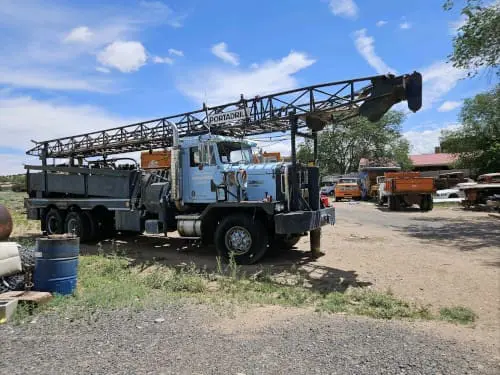
“How much does it cost to drill a new water well?”
It’s an understandable question—but it doesn’t have a simple answer.
Unlike many home improvement projects, installing a private water well isn’t a product with a fixed price tag. Every property presents its own geological conditions, groundwater depth, drilling challenges, equipment requirements, and water delivery needs. Two homes only a few miles apart can require dramatically different well designs because the underground conditions are rarely identical.
Many homeowners are surprised to learn that drilling the hole is only one part of the total investment. A complete residential water well system also includes casing, a submersible pump, electrical components, pressure tanks, plumbing connections, water testing, and often storage tanks or additional equipment designed to deliver dependable water throughout the property.
Throughout Northern New Mexico, these variables become even more significant because groundwater conditions can change dramatically between communities such as Santa Fe, Española, Los Alamos, Pecos, Edgewood, and surrounding rural areas. Local geology plays a major role in determining both drilling methods and overall project costs.
In this guide, we’ll explain what goes into the cost of installing a new water well, why pricing varies so much from one property to another, and what homeowners should expect when planning for a reliable long-term water supply. Our goal is to help you understand the factors behind the investment so you can make informed decisions before beginning your project.
Why There Isn’t a Single Price for Drilling a Water Well
One of the biggest misconceptions homeowners have is believing that every water well costs roughly the same amount to install.
In reality, no two drilling projects are exactly alike.
Professional water well contractors cannot determine the total project cost simply by looking at an address or acreage. Instead, they evaluate numerous conditions that influence both the drilling process and the completed water system.
Some of the most important variables include:
- How deep the groundwater is beneath your property
- Whether the drill encounters sand, gravel, clay, fractured rock, or solid bedrock
- The amount of steel casing required
- The expected water production (well yield)
- Pump size and horsepower
- Pressure tank selection
- Electrical installation requirements
- Water storage needs
- Local permitting requirements
- Accessibility for drilling equipment
Even neighboring properties can require significantly different drilling depths because groundwater aquifers rarely exist at a perfectly consistent elevation.
For that reason, reputable contractors avoid offering “one-price-fits-all” estimates. Instead, they evaluate each project individually to recommend a water well system designed for the property’s specific conditions and the homeowner’s long-term water needs.
This customized approach helps ensure dependable water production while reducing the likelihood of costly modifications later.
What Determines the Cost of a New Water Well in New Mexico?
Although every project is unique, several major components consistently influence the overall investment.
Well Depth
The single largest factor affecting cost is usually how deep the well must be drilled.
The deeper the well, the more drilling time, drilling materials, casing, labor, and equipment are typically required.
Depth also influences:
- Pump selection
- Drop pipe length
- Electrical wire length
- Installation time
- Future maintenance considerations
Groundwater depths vary widely throughout New Mexico, making professional site evaluation essential before estimating costs.
Local Geology
The material beneath your property significantly affects drilling difficulty.
Depending on location, drillers may encounter:
- Loose sand
- Gravel
- Clay
- Volcanic formations
- Fractured rock
- Dense granite
- Sandstone
- Other bedrock formations
Some formations drill relatively quickly, while others require specialized equipment, slower drilling speeds, or additional casing to stabilize the borehole.
These underground conditions directly influence both project complexity and overall installation costs.
Complete Water System Equipment
A finished water well involves much more than reaching groundwater.
Most residential systems also require:
- Well casing
- Submersible pump
- Drop pipe
- Pump wire
- Pitless adapter
- Pressure tank
- Pressure switch
- Electrical controls
- Plumbing connections
- Well cap
- System testing
Many rural homes also benefit from storage tanks or constant-pressure systems that improve water availability and household performance.
Each component contributes to creating a dependable water supply designed for years of reliable operation rather than simply producing water on the day drilling is completed.
Why Northern New Mexico Is Different
Installing a water well in Northern New Mexico presents challenges that differ from many other parts of the country.
Communities throughout the region often feature:
- High elevations
- Mountain terrain
- Variable groundwater levels
- Complex rock formations
- Changing aquifer depths
- Rural properties located far from municipal utilities
A property near Santa Fe may encounter entirely different underground conditions than another property outside Española, Pecos, Edgewood, or Los Alamos.
Even within the same community, neighboring parcels may require different drilling depths based on the local geology and groundwater availability.
This is why local experience matters.
Contractors familiar with Northern New Mexico understand the area’s geological variations, seasonal groundwater conditions, and the practical considerations involved in designing dependable rural water systems. That regional knowledge helps homeowners receive recommendations based on actual field experience rather than generalized assumptions.
At Boylan Water Well Service & Supply, every project begins with understanding the property’s unique conditions rather than applying a standardized approach. The company’s experience serving homeowners, ranches, farms, and businesses throughout Northern New Mexico allows its team to recommend complete water systems designed for reliability, long-term performance, and the specific challenges presented by the local environment.
Comparison Table: Major Factors That Influence Water Well Costs
| Cost Factor | Why It Matters | Potential Impact on Project |
| Well Depth | Determines drilling time, casing, and equipment requirements | One of the largest influences on total cost |
| Geology | Different soil and rock formations affect drilling difficulty | May increase labor, drilling time, and equipment use |
| Steel Casing | Stabilizes the well and protects groundwater | Required length varies by site conditions |
| Pump System | Delivers water from the well to the home | Size depends on well depth and household demand |
| Pressure Tank & Controls | Maintains consistent water pressure | Equipment selection varies by system design |
| Electrical Components | Powers the pump and control system | Installation requirements differ between properties |
| Water Storage | May improve water availability and system performance | Often recommended for rural properties or higher water demand |
| Permits & Testing | Help ensure regulatory compliance and water quality | Required before a well is placed into long-term service |
| Property Accessibility | Allows drilling equipment to reach the site safely | Difficult terrain may increase project complexity |
| Local Groundwater Conditions | Influence drilling depth and expected water production | Every property is unique and requires individual evaluation |
Drilling Costs: Why Depth Matters
When homeowners ask about the cost of drilling a new water well, one of the first topics professionals discuss is well depth.
Simply put, the farther a drilling crew must travel underground to reach a dependable water-producing aquifer, the more time, labor, equipment, and materials are typically required to complete the project.
Unlike municipal water systems, private wells are designed specifically for the property they serve. There is no standard depth that works everywhere in New Mexico. One property may produce an adequate water supply at a relatively shallow depth, while another located only a few miles away may require significantly deeper drilling because of different geological formations.
Deeper wells generally require additional:
- Drilling time
- Drill pipe
- Steel casing
- Grouting materials
- Pumping equipment
- Electrical wire
- Drop pipe
- Installation labor
Depth also affects the size and type of pump that will eventually be installed. A deeper well often requires a pump capable of lifting water over a greater vertical distance while still supplying adequate pressure throughout the home.
Because groundwater conditions vary across Northern New Mexico, experienced contractors evaluate each property individually rather than estimating depth based solely on nearby wells.
The goal is not simply to reach water—it is to construct a dependable water system designed to provide reliable performance for many years.
How Geology Affects Well Drilling Costs
The underground conditions beneath your property can influence drilling costs just as much as depth.
Northern New Mexico contains an incredibly diverse geological landscape. During a single drilling project, crews may encounter:
- Loose sand
- Gravel
- Clay
- Volcanic deposits
- Fractured rock
- Sandstone
- Shale
- Limestone
- Dense granite
Each material responds differently to drilling equipment.
For example, loose formations may require additional casing to stabilize the borehole, while hard rock formations often drill more slowly and place greater demands on drilling equipment.
Groundwater production also varies between formations.
Some rock layers contain abundant groundwater flowing through natural fractures, while others produce relatively small amounts of water or require deeper drilling before reaching a productive aquifer.
These geological variables help explain why contractors cannot provide accurate pricing without first understanding the property’s location and expected subsurface conditions.
Boylan Water Well Service & Supply’s extensive experience throughout Santa Fe and Northern New Mexico allows its team to recognize many of the geological challenges commonly encountered throughout the region, helping customers receive recommendations based on practical field experience rather than assumptions.
Casing Requirements
Steel casing is one of the most important structural components of every professionally constructed water well.
After drilling progresses, casing is installed to:
- Stabilize the borehole
- Prevent collapse
- Protect groundwater from surface contamination
- Separate different underground formations
- Support long-term well integrity
The amount of casing required depends upon the property’s geology and drilling conditions.
Some locations require relatively modest casing installation, while others may require significantly more depending on unstable soils, fractured formations, or regulatory requirements.
Because casing becomes a permanent part of the completed well, it represents an important investment in protecting both water quality and the overall lifespan of the system.
Proper casing installation is not an area where homeowners should seek shortcuts. A properly constructed well helps safeguard groundwater while reducing future maintenance issues.
Pump System Costs
Once drilling is complete, the well still needs a system capable of delivering water from hundreds of feet underground into your home.
Most residential wells utilize a submersible pump installed deep inside the well casing.
Pump selection depends on several factors, including:
- Total well depth
- Static water level
- Pumping level
- Household water demand
- Expected gallons per minute
- Elevation changes between the well and the home
- Irrigation or livestock requirements
Choosing the correct pump is critical.
An undersized pump may struggle to meet household demand, while an oversized pump can reduce efficiency and unnecessarily increase operating costs.
Professional sizing ensures dependable water delivery while protecting the equipment from excessive wear.
Modern systems may also incorporate variable-speed or constant-pressure technology that provides more consistent water pressure throughout the home while improving overall system performance.
Pressure Tanks
Although the pump receives much of the attention, the pressure tank performs an equally important role.
The pressure tank stores pressurized water and helps regulate the system’s operating pressure.
Its responsibilities include:
- Maintaining consistent household water pressure
- Reducing pump cycling
- Extending pump life
- Improving system efficiency
- Providing short-term water storage between pump cycles
Pressure tanks are available in different capacities depending on household size, water usage, and system design.
Properly matching the pressure tank to the pump system helps reduce unnecessary wear while providing smoother operation throughout the home’s plumbing system.
Electrical Components
Every water well also requires electrical equipment to operate safely and reliably.
Depending on the installation, this may include:
- Pump wire
- Electrical controls
- Pressure switches
- Disconnects
- Pump control boxes
- Circuit protection
- Monitoring equipment
Electrical installation requirements vary according to pump size, distance from the home, available electrical service, and local code requirements.
Because water and electricity are involved, electrical work should always be completed by qualified professionals familiar with water well systems.
Proper installation helps protect both the equipment and the homeowner while contributing to dependable long-term operation.
Water Storage Systems
Not every property requires a storage tank, but many rural homes throughout Northern New Mexico benefit from additional water storage.
Storage systems may be recommended when:
- Household demand is high.
- Irrigation increases seasonal water usage.
- Livestock require dependable water access.
- The property’s well produces water at a lower flow rate.
- Additional reserve capacity is desired.
Water storage tanks allow water to accumulate gradually while providing larger volumes when demand temporarily increases.
Some systems also incorporate booster pumps or constant-pressure equipment that delivers more consistent water pressure throughout the home.
These additions are customized according to each property’s needs rather than automatically included with every installation.
Water Testing
After construction is complete, water testing represents another important step before the well becomes part of a home’s everyday water supply.
Testing helps evaluate water quality and identify conditions that may require treatment.
Depending on the property and local conditions, testing may evaluate for:
- Bacteria
- Nitrates
- Minerals
- Sediment
- Iron
- Hardness
- Other naturally occurring groundwater characteristics
If treatment is recommended, solutions such as filtration or water conditioning equipment can often be incorporated into the overall water system.
Regular testing also helps homeowners monitor changes over time and maintain confidence in their private water supply.
Boylan Water Well Service & Supply encourages ongoing maintenance and periodic inspections to help protect both water quality and the long-term performance of residential water well systems.
Comparison Table 1: Major Components of a Complete Residential Water Well
| Component | Purpose | Influence on Overall Investment |
| Well Drilling | Reaches the groundwater aquifer | One of the largest cost variables |
| Steel Casing | Protects and stabilizes the well | Depends on geology and depth |
| Submersible Pump | Delivers water to the home | Sized according to well depth and demand |
| Pressure Tank | Maintains consistent water pressure | Improves efficiency and pump longevity |
| Electrical Controls | Operates the pump safely | Varies by equipment and installation |
| Water Storage Tank | Provides reserve water capacity | Optional but beneficial for many rural properties |
| Water Testing | Confirms water quality | Helps determine if treatment is needed |
Comparison Table 2: Factors That Can Increase Well Installation Costs
| Factor | Why It May Increase Costs |
| Greater Well Depth | Requires additional drilling, casing, labor, and equipment |
| Dense Bedrock | Slower drilling and increased equipment demands |
| Unstable Soil Conditions | Additional casing and stabilization may be necessary |
| Higher Household Water Demand | Larger pump and pressure system may be required |
| Remote Rural Property | Equipment mobilization and logistics may become more complex |
| Water Storage Requirements | Additional tanks, plumbing, and booster systems may be recommended |
| Specialized Water Treatment | Additional filtration or conditioning equipment may be needed after testing |
Understanding these components helps homeowners recognize that the total investment involves far more than drilling a hole in the ground. A professionally designed water well system is an integrated collection of equipment working together to provide dependable, safe, and efficient water service for years to come.
Permits and Regulatory Requirements
Before a new water well can be drilled, homeowners should understand that the project involves more than selecting a drilling location and scheduling equipment.
Water wells in New Mexico are regulated to help protect groundwater resources and ensure wells are constructed according to applicable standards. Depending on the property’s location and intended use, permits and approvals may be required before drilling begins.
Professional water well contractors are familiar with these requirements and can guide property owners through the process while helping ensure the project complies with applicable state regulations.
Permit requirements may vary depending on factors such as:
- Property location
- Intended water use
- Domestic or agricultural classification
- Existing water rights
- Local geological considerations
- State regulatory requirements
The New Mexico Office of the State Engineer oversees water rights and many aspects of groundwater development, while other agencies may have requirements related to well construction, water quality, or environmental protection.
Because regulations can change and every property is unique, homeowners should avoid assuming the permitting process will be identical from one project to another.
Working with an experienced local contractor helps simplify this portion of the project while reducing the possibility of unnecessary delays.
At Boylan Water Well Service & Supply, helping customers understand the planning process is an important part of delivering dependable, long-term groundwater solutions throughout Northern New Mexico.
Timeline from Site Evaluation to Running Water
Another common question homeowners ask is:
“How long does it take before I have running water?”
The answer depends on several factors, including permitting, drilling conditions, equipment availability, weather, and scheduling.
Although every project is different, a typical residential well installation follows a logical sequence.
Initial Consultation
The process begins with discussing your property, water needs, building plans, and intended water usage.
The contractor gathers information that helps determine the most appropriate well system for the property.
Site Evaluation
Next comes an evaluation of the drilling location.
This may include reviewing:
- Property access
- Existing utilities
- Terrain
- Building plans
- Expected drilling conditions
- Equipment access
- Water system layout
Proper planning helps prevent problems later in the installation process.
Permitting and Scheduling
Once preliminary planning is complete, required permits and scheduling are coordinated before drilling equipment is mobilized.
Scheduling may vary depending on:
- Seasonal demand
- Weather
- Equipment availability
- Existing project commitments
Drilling the Well
The drilling crew then begins constructing the well.
Depending on depth and geology, drilling may progress relatively quickly or require additional time if difficult formations are encountered.
After reaching the desired depth, casing is installed and the well is properly completed according to accepted construction practices.
Pump and Water System Installation
Following successful drilling, the complete water delivery system is installed.
This typically includes:
- Submersible pump
- Drop pipe
- Pump wire
- Pressure tank
- Controls
- Plumbing connections
- Pressure adjustments
Testing and System Startup
Before the system is placed into service, testing confirms that all equipment operates properly.
The contractor verifies water production, pressure, pump operation, and overall system performance before turning the completed system over to the homeowner.
The result is a professionally installed private water supply designed to provide dependable service for many years.
Common Factors That Increase Costs
Although every project begins with an estimate, certain conditions can increase the overall investment required to complete a new water well.
Understanding these possibilities helps homeowners plan more effectively and avoid surprises.
Greater Drilling Depth
Additional drilling generally requires:
- More labor
- More drilling materials
- Additional casing
- Longer installation times
Challenging Geological Conditions
Hard rock, unstable formations, or unexpected subsurface conditions may require specialized drilling techniques or additional construction materials.
Difficult Property Access
Mountain terrain, steep grades, or limited equipment access can increase project complexity.
Larger Water Demand
Homes with:
- Large families
- Irrigation systems
- Livestock
- Guest houses
- Agricultural operations
may require larger pumps, pressure systems, or storage capacity.
Additional Water Storage
Some rural properties benefit from storage tanks or booster systems that improve water availability during periods of higher demand.
Water Treatment Equipment
If testing identifies naturally occurring minerals or other water quality concerns, filtration or treatment systems may become part of the completed installation.
Although these additions increase the overall investment, they also improve long-term system performance and water quality.
Professional contractors explain these options during the planning process so homeowners understand which recommendations are based on the property’s specific conditions rather than unnecessary upgrades.
How to Budget for a New Well
Because every well installation is unique, budgeting begins with understanding the project rather than searching for a universal price.
Instead of asking only, “How much does drilling cost?”, homeowners should consider the complete water system.
A realistic budget typically accounts for:
- Site evaluation
- Permitting
- Drilling
- Steel casing
- Pump installation
- Pressure tank
- Electrical components
- Plumbing connections
- Water testing
- Storage tanks (when appropriate)
- Water treatment equipment (if needed)
It is also wise to maintain a contingency reserve in case unexpected underground conditions require adjustments during drilling.
Perhaps the most valuable budgeting advice is to focus on long-term value rather than the lowest initial estimate.
A properly designed water well often serves a home for decades. Choosing quality equipment, experienced installers, and thoughtful system design frequently reduces maintenance costs and improves reliability throughout the life of the well.
At Boylan Water Well Service & Supply, every recommendation is based on delivering dependable water systems that provide lasting performance instead of temporary savings.
Frequently Asked Questions
How much does it cost to drill a water well in New Mexico?
There is no single statewide price because every project is influenced by well depth, geology, drilling conditions, equipment selection, permits, and the complete water delivery system required for the property.
Is drilling the well the biggest expense?
Drilling is often one of the largest portions of the project, but it is only one component. Pumps, pressure tanks, electrical equipment, casing, plumbing, water testing, and storage systems also contribute to the total investment.
Why can’t contractors give me a price over the phone?
Professional contractors typically need information about your property’s location, expected water demand, geology, and access before providing an accurate estimate. Every well is customized to the property’s unique conditions.
How long does it take to complete a residential well?
The timeline varies depending on permitting, scheduling, weather, drilling conditions, equipment installation, and testing. Your contractor can provide a project schedule based on your property’s specific requirements.
Can my property require a deeper well than my neighbor’s?
Yes. Groundwater conditions can change significantly over relatively short distances. Neighboring properties often have different well depths because underground geological formations are rarely uniform.
Project Timeline Table
| Project Stage | Typical Work Performed | Purpose |
| Initial Consultation | Discuss property, water needs, and project goals | Understand homeowner requirements |
| Site Evaluation | Review property access, terrain, and drilling location | Plan the installation properly |
| Permits & Scheduling | Complete required approvals and schedule equipment | Prepare for construction |
| Well Drilling | Drill to the target aquifer and install casing | Construct the water well |
| Pump Installation | Install pump, drop pipe, wiring, and controls | Deliver water from the well |
| Pressure System Installation | Install pressure tank and plumbing components | Provide consistent household water pressure |
| Testing & Startup | Verify water production and system operation | Confirm dependable performance before use |
| Completed Water System | Homeowner receives a fully functioning private water supply | Long-term, reliable groundwater access |
Every successful water well project follows these essential steps. While the exact timeline and overall investment vary from one property to another, careful planning, professional installation, and quality equipment help ensure homeowners receive a dependable water system designed to serve their property for many years.
How much does well drilling cost per foot?
Many homeowners search for a cost-per-foot estimate because drilling depth is one of the biggest factors affecting the overall investment. While drilling is often priced based on depth, the total cost of a completed residential water well cannot be determined by drilling footage alone. Casing, pump equipment, pressure tanks, electrical components, water testing, permitting, and other site-specific factors all contribute to the finished system.
Does drilling through solid rock increase costs?
It can.
Hard rock formations generally require slower drilling speeds, specialized equipment, and additional time. Northern New Mexico’s geology varies considerably, which is why two nearby properties may experience very different drilling conditions.
How much does a water well pump cost?
Pump costs vary depending on the well’s depth, expected water production, household demand, elevation changes, and the type of pressure system selected.
Rather than choosing a pump based solely on price, contractors select equipment that matches the completed well’s performance characteristics and the property’s long-term water needs.
Are permits required to drill a water well?
Most new water well projects involve permitting requirements that depend on the property’s location, intended water use, and applicable New Mexico regulations.
Your water well contractor can help explain which permits apply to your project and assist with the permitting process before drilling begins.
Can an existing well reduce my overall costs?
In some situations, an existing well can be rehabilitated or upgraded instead of drilling a completely new one.
However, this depends on several factors, including:
- The well’s age
- Structural condition
- Water production
- Water quality
- Pump condition
- Future water needs
A professional inspection is the best way to determine whether repairing an existing system or drilling a replacement well provides the better long-term investment.
Is a professionally installed water well worth the investment?
For many rural homeowners throughout Northern New Mexico, the answer is yes.
A professionally designed water well provides:
- Reliable access to groundwater
- Independence from municipal water systems
- Long-term property value
- Dependable water for homes, livestock, and irrigation
- A customized water system designed specifically for the property’s needs
Although every project represents a significant investment, quality construction and proper equipment selection often help reduce future maintenance expenses while providing dependable water for decades.
Conclusion
The cost of drilling a new water well in New Mexico is influenced by much more than the depth of the borehole.
Every project is shaped by a combination of geological conditions, groundwater depth, casing requirements, pump selection, pressure systems, electrical components, water storage, permitting, testing, and the overall design of the completed water system.
Because no two properties are exactly alike, there is no universal price that accurately reflects every installation.
Instead of searching for a single statewide average, homeowners are better served by understanding the variables that determine the final investment and working with experienced professionals who are familiar with the unique groundwater conditions found throughout Northern New Mexico.
A properly designed water well is far more than a drilled hole—it is a complete water delivery system built to provide dependable service for years to come.
By investing in thoughtful planning, quality equipment, and experienced installation, property owners can enjoy reliable groundwater access while protecting one of their home’s most important resources.
Boylan Water Well Service & Supply Call to Action
If you’re planning to build a home, develop rural property, or install a private water well anywhere in Santa Fe or Northern New Mexico, Boylan Water Well Service & Supply is ready to help.
Our experienced team understands the region’s unique geology, groundwater conditions, and the many factors that influence the design and cost of a dependable water well system. From the initial consultation through drilling, pump installation, pressure systems, and long-term maintenance, we focus on delivering practical solutions designed for reliability and long-term performance.
Whether you’re building on vacant land, replacing an aging well, or planning a complete water system for your property, we’ll take the time to evaluate your site’s specific conditions and explain your options clearly and honestly.
Contact Boylan Water Well Service & Supply today to schedule a consultation and request a customized estimate for your new water well project.