Which One is Better, City Water or Well Water?
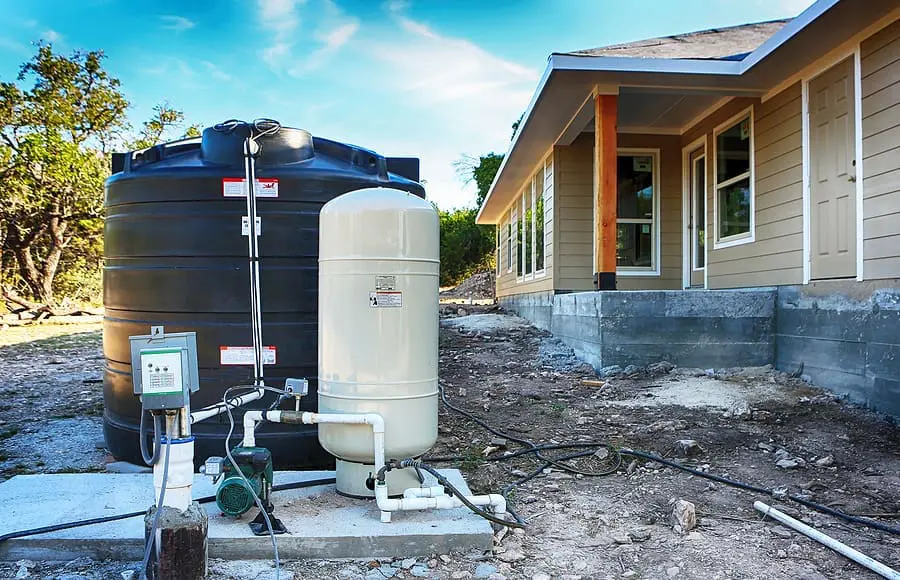 If you live in an urban area, you have city water. If you live in the suburbs or out in the country, you likely have well water. But why does this matter? Water is something we need every day to live healthy lives. So, where you source your drinking water is crucial. Well, city water gets a bad rap, but they can both provide excellent water for your home. We will discuss city water vs well water, the Pluses and Minuses of each, and water treatment.
City Water vs Well Water
You can either have city water or well water coming into your home. So what is the difference between the two?
City Water Comes from the municipal water supply company that collects water from a water source, treats, and pipes it directly to your home.
Well Water is water delivered to your home from a private well on your property.
City Water
Do you receive a water bill each month? Then you use city water. The city gathers water from a source like a river, purifies and filters it, then sends it through pipelines that lead to your house. About 80% of people in the US use city water. That is over 300 million Americans who trust their city to provide safe drinking water!
Pluses of City Water
City Maintains the Treatment & Delivery of Your Water
Instead of you worrying about maintaining the cleanliness of your water, the EPA regulates the safety of your city water. You can feel at ease because they test the water daily to ensure it’s safe to drink. City water companies also add nutrients to your water like fluoride and chlorine. Chlorine helps kill germs that cause diseases like norovirus and Salmonella. Fluoride helps prevent tooth decay and cavities at a low cost and is safe for consumption. Many city water customers enjoy watering because someone else worries about maintaining your water.
Accessible to Most of the Country
Unless you live way out in the country, you should have city water coming to your home. The city just needs to turn it on for you to access your water.
Boosts Home Value
Many things can go wrong with well water. The well can run dry, contamination, and equipment failure. If you are buying a home with well water, some banks will have better loan rates.
Minuses of City Water
City Water Isn’t As Fresh
City water is gathered from runoff and surface water which means it has more pollutants and contaminants. The water treatment process strips the water from nutrients and minerals, giving the water a flat taste. Even though cities test the water daily and add minerals and nutrients, contaminants can still get into the water source through old pipelines.
Expensive
Another con of city water is the price. Depending on where you live, water bills are on the rise. The more pollution in the water, the more money it takes to filter and clean it so you can drink it. Sure, it’s nice to have someone else worry about treating your water, but it comes at a cost. Plus, if you are struggling to pay your bills, the city can turn your water off.
Polluted During Natural Disasters
Whenever there is a massive natural disaster such as floods or hurricanes, the city water can become contaminated. It may take time to get the water, pipes, and equipment adequately cleaned and sanitized to provide safe drinking water. Until then, they will issue a water boiling advisory that you should abide by.
Hard Water Concerns
The water coming from your city can be hard water or soft water. Hard water has high amounts of minerals suspended in the water like calcium and magnesium. Although these minerals aren’t harmful to your health, they do cause buildup on your fixtures and appliances. Hard water can also cause buildup on your skin after bathing and make your hair lackluster.
Well Water
Typically found in rural areas, homeowners with wells pump their water using a septic system located on their property. Many underdeveloped countries around the world rely on wells as their water source. Approximately ⅓ Americans on well water. Wells require little treatment before water use.
Pluses of Well Water
No Monthly Water Bill
The main reason people love well water is that there is no water bill. If you use a septic tank, you don’t have to pay the sewer bill either. Who doesn’t like saving money?
Better Taste & More Nutrients
This is subjective, but most would agree that well water tastes better than city water. Water that is stored underground for years has more nutrients than water that comes from a river or lake. As water flows through the ground, the earth and rocks naturally filter out some of the contaminants. Not only will it taste better but it is better for your health.
Unaffected by Natural Disasters
When Mother Nature cooks up something terrible like hurricanes and floods, the city has a hard time sending you clean healthy water. Your well water will most likely not be affected by this problem unless it is an extreme situation.
Minuses of Well Water
Depending on Electricity
Since water is being pumped up from the ground and through your home using a pump, you need electricity for the water to work. If there is a power outage, you will be without water until the power is back on. If your pump breaks or has an electrical issue, you will then have to rely on a generator or solar power as a backup source.
You’re Responsible for Maintenance & Treatment
Sure, you don’t have a water bill, but that also means you are responsible for maintaining the well. The EPA does not conduct water tests on private wells. It is your responsibility to ensure your family is safe from bacteria, viruses, pesticides, and any other contaminants. You are responsible for drilling the well, maintenance, and repairs. If your seal breaks or your equipment fails, you are responsible for fixing it. Some repairs could be very expensive. Just because you don’t have a water bill does not mean well water is cheaper.
Risk of Contamination
We stated earlier that well water doesn’t need significant treatment. However, it can be susceptible to contamination if your seal breaks or harmful bacteria were introduced into the ground. Well water can be contaminated by chemicals, bacteria, dead animals, sewage, and nearby septic tanks. If there was a leak in one of the tanks, it could pollute your well water. If you notice your well water looks cloudy or has an odor, you should have it tested for contaminants.
Subject to Hard Water Issues
Just like city water, well water can be hard water too. Signs you may have hard water are if you feel a filmy residue on your skin after washing your hands or taking a shower. You may notice a film or soap scum on your dishes after washing them. You may need to use excessive amounts of dish soap or laundry detergent to get your items clean. Plus, you will build up scale (hard deposits that form in appliances from minerals like calcium carbonate) on appliances that use water. Toilet bowls, showers, water heaters, and dishwashers are susceptible to hard water build-up. Even your coffee pot can get scale buildup from hard water.
Treatment Options
If you decide you need to treat your water, there are options for every budget. First, you have to decide if you need a whole-house water treatment system or if you only want to treat drinking water. Water softener systems and whole-house water filtration systems are two of the most popular. You can also purchase pitch-in filters for your kitchen countertops that you use for drinking water. No matter which route you choose to take, you’ll find something that fits your budget.
How To Treat the Water in Your Home
No matter if you have city water or well water, you should have your water tested annually. If you have city water, give your water supplier a call and ask for a free water test. Every municipality is required to provide its citizens with an annual water quality report.
However, if you use well water, you will need to pay for water testing. You can buy do-it-yourself water testing kits at your local home improvement store. You can even hire a water specialist to come to your home and do the water test. Another option would be to collect a water sample and send it to a lab for water testing. After receiving your water test results, you will know which treatment method will work best for you.
Final Thoughts
There is a distinct difference between city water vs well water. Whether one is better than the other depends on you. Like any subject, there are Pluses and Minuses to both sides. If you live in an urban area, you will most likely have city water running to your home.